Welcome to
Chemical Collective

Are you 18 or older?

Please confirm that your are 18 years of age or older.

You are not allowed to access the page.

info-icon €100 for domestic (NL, CZ, DE) €125 for the rest of the EU, excluding stealth shipping

Free shipping over €50 & free tracked shipping over €100

Friendly customer service available 9-5pm Monday to Friday

Free shipping over €50 & free tracked shipping over €100

Friendly customer service available 9-5pm Monday to Friday

Your cart is empty

The Untapped Potential of Salvia

martha-allitt

By Martha Allitt

shutterstock 2611395115
in this article
  • The Origins of Salvia
  • Disrupting the Seat of Consciousness
  • What Does Salvia Feel Like? Hell, Cartoons, and Sofas
  • Driving on Salvia
  • Salvia as a Female Doctor
  • A Role for Salvia in Modern Medicine
  • A Non-Addictive Opioid
  • Using Salvia to Treat Mood Disorders
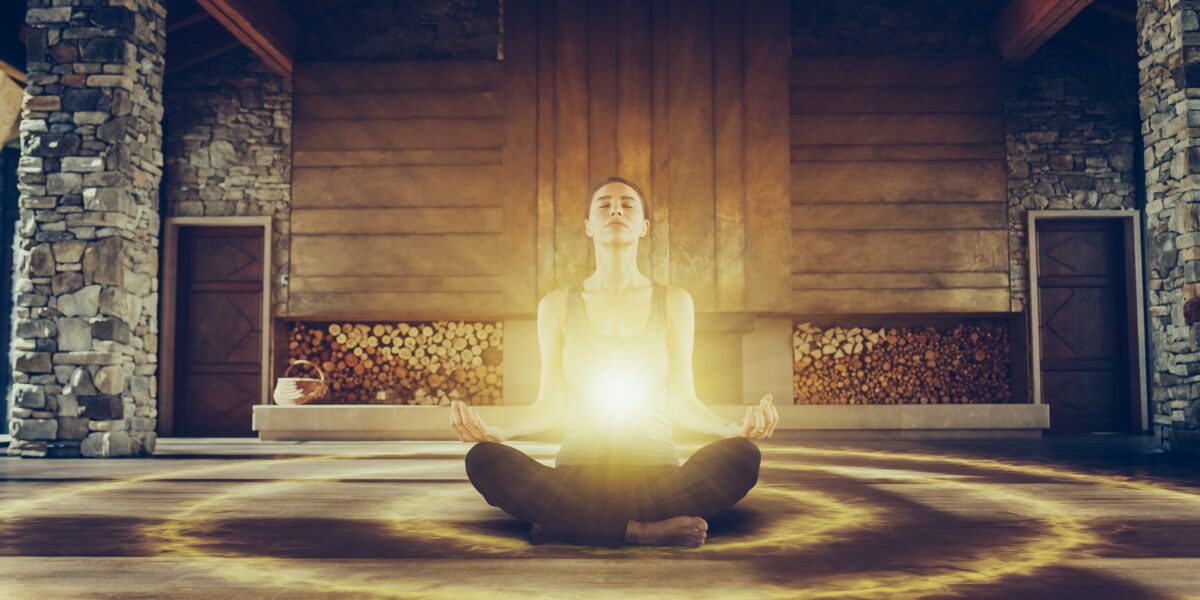
  • Salvia for Personal Growth and Spiritual Healing
  • Are We Missing Something?
martha-allitt

By Martha Allitt

Disclaimer: The views and opinions expressed in this article are those of the authors and do not necessarily reflect the official policy or position of Chemical Collective or any associated parties.

A popular legal high in the late 90s, best known for its mind-boggling and often rather terrifying effects, Salvia divinorum, hasn’t quite made the same trajectory as other psychoactive plants in today’s evolving field of psychedelic therapy. But could this strange plant, in fact, be a promising contender?

The Origins of Salvia

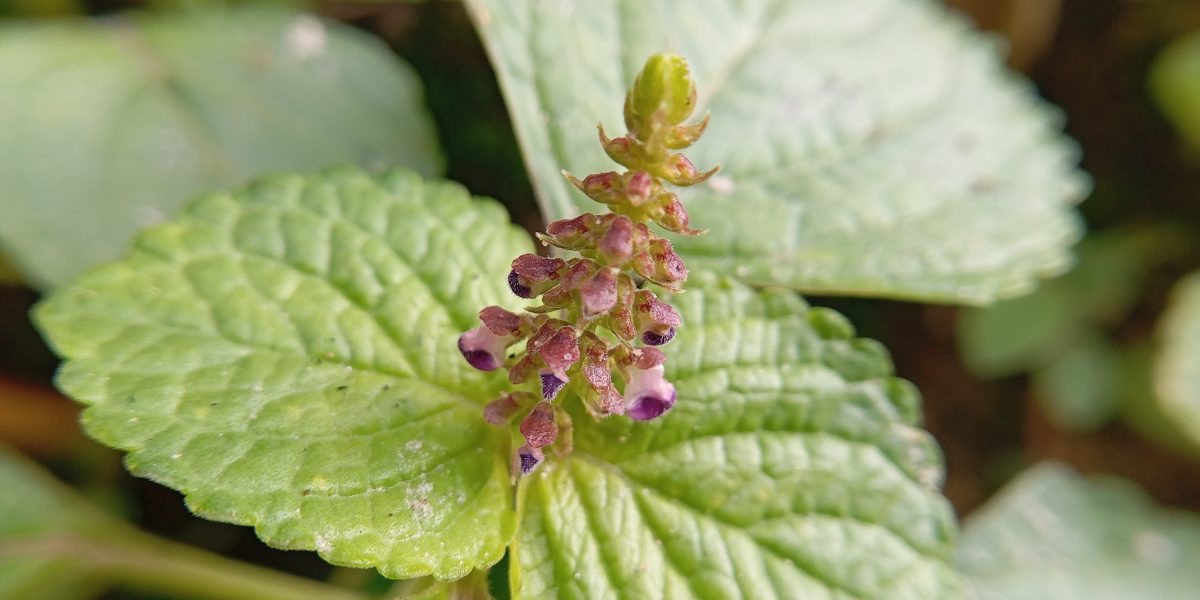
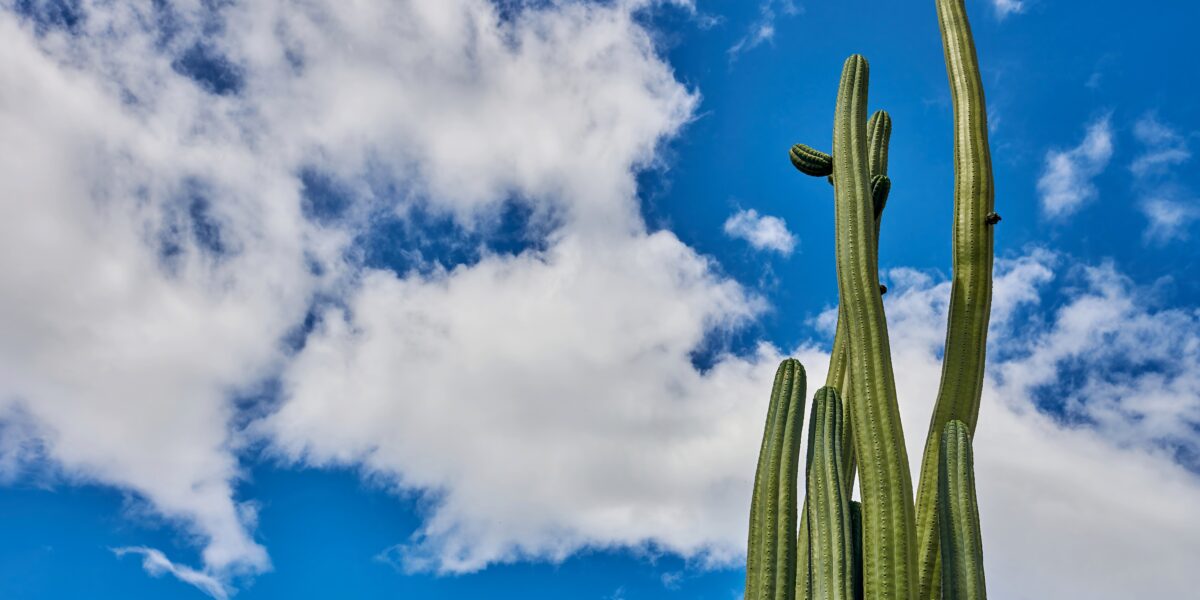
Salvia divinorum, or salvia, is a species of sage native to Northeast Oaxaca in Mexico, in a small radius of about 200 square miles. The plant rarely sets seed, and most salvia found outside this origin region are clones, cultivated from just a few original cuttings. 

The Mazatec community, who live in the Oaxacan mountains, use salvia for healing and divination. The name “salvia divinorum” roughly translates as “sage of the divine,” while the genus name comes from the Latin salvare, meaning “to heal.” 

The Mazatec belong to a shamanic culture, known for their ritualistic use of psychoactive plants and mushrooms. They are believed to have settled around the 12th century, but their ethnogenic practice is rooted much further back in history.

Evidence suggests that ancient Mesoamerican civilisations used psychedelics for both medicinal and spiritual purposes. Gordon Wasson—the ethnomycologist who popularised magic mushrooms in the West—theorised that salvia might be pipiltzintzintli, an unidentified visionary plant used by the Aztecs. 

Disrupting the Seat of Consciousness

Salvia is one of the most potent naturally occurring psychedelics. Salvinorin A, the main compound in salvia, has psychoactive effects at a mere 200 micrograms. This makes it ten to one hundred times stronger than psilocybin by weight. 

Compared to classical psychedelics, salvinorin A also has a unique mechanism of action, explaining its distinctive and unusual effects. Psilocybin, LSD, and DMT all interact with the 5-HT2A receptor in the brain, whereas salvinorin A interacts with the kappa opioid receptor

Large quantities of these receptors are clustered in the claustrum, a sheet of nerve cells tucked under the cerebral cortex, the outermost layer of the brain. Francis Crick, who discovered DNA, named this structure the “seat of consciousness,” given its extensive connections to and from different parts of the brain. He theorised that the claustrum binds together sensory signals with learned knowledge, creating a unified consciousness experience. 

What Does Salvia Feel Like? Hell, Cartoons, and Sofas

By disrupting the claustrum, salvia can impair someone’s capacity to piece together a coherent reality. It can bend and fragment the perception of time, space, and one’s body

People often describe intense physical sensations, like being stretched, twisted, or pulled out of their bodies altogether. Some say they’re transported to entirely different realms or dimensions. Others report merging with objects in the room, becoming the sofa, a coffee table, or part of the wallpaper. In some of the most surreal trips, users may even live out what feels like an entirely different lifetime, as another person or even as an animal.

Although extremely varied, a similar thread weaves through most Salvia trip reports—a sense of profound weirdness. A user on Reddit reports:

I only tried salvia once. I was sitting on my buddy’s bed watching Courage the Cowardly Dog. A volcano erupted on the TV and the lava exploded out of the screen and onto my arms. It wasn’t hot and didn’t hurt. When I tried to wipe it off, I also wiped off my skin and could see my bones, but the bones were cartoon looking so it wasn’t scary.

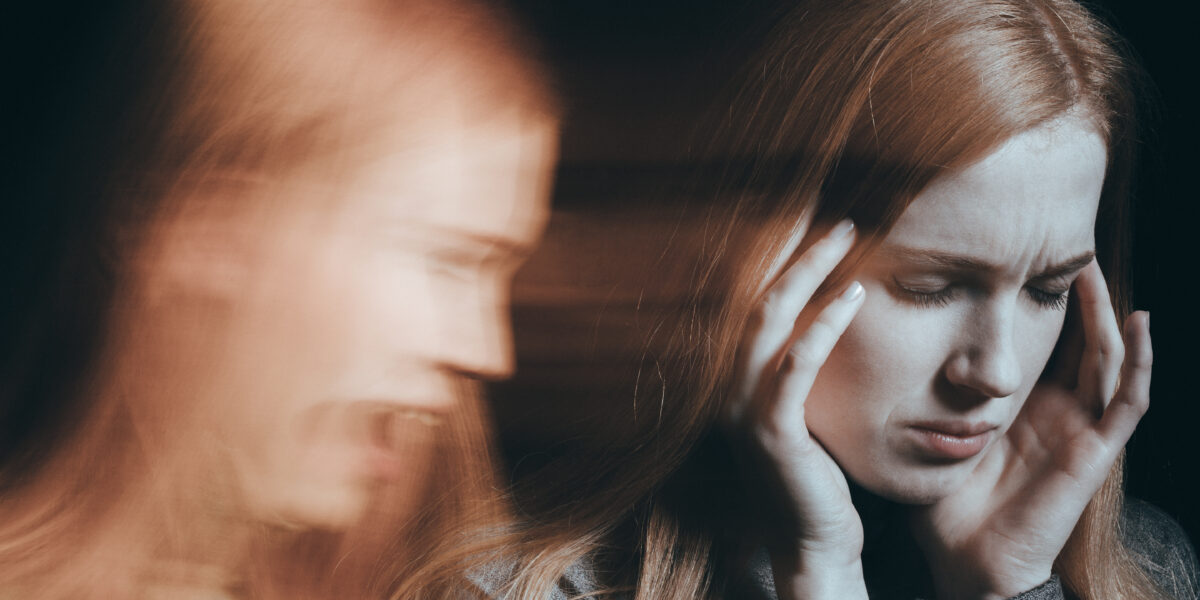
These experiences are certainly interesting, but for many, this bizarreness can be extremely disorientating and unpleasant. Dark themes like torture, death, and hell realms can also prevail. On a page dedicated to salvia trip reports on Erowid, titles include things like “Imprisoned Beyond the Scope of My Mind,” “Reliving My Death Over and Over Again,” and “Horrid Reality/ Eternal Torture.” 

Driving on Salvia

These more horrifying reports tend to come from people smoking an extract of salvia, rather than the dried leaf. In 1994, ethnobotanist Daniel Siebert produced the first concentrated salvia extract—a smokable product containing high quantities of salvinorin A. These became popular in headshops and online marketplaces as a legally accessible way to get high

Extracts made their way into house parties and bedrooms of curious young people experimenting with altered states. Many people filmed their salvia extract trips on YouTube, posting videos of themselves hallucinating, talking nonsensically, and laughing uncontrollably. A notable sensation was Erik Hoffstad, known for his videos of doing everyday things like gardening and driving. While on salvia.

With the growing number of scare stories, this footage eventually led to salvia being criminalised in 2016 under the Psychoactive Substances Act. However, such criminalisation may not have been warranted if salvia had been treated with more respect. 

Salvia as a Female Doctor

Despite salvia’s bad rep in modern culture, the Mazatec revere the plant as a great healer and teacher. They see salvia as a gentle spirit that is much easier to handle compared to other psychedelics, such as psilocybin mushrooms and morning glory seeds (containing lysergic acid amide, or LSA). This is a massive contrast to salvia’s current online presence, given descriptors such as “The Psychedelic So Potent that it Obliterates Reality.

Undoubtedly, this incongruence relates to how the Mazatec use the plant, compared to bedroom psychonauts. Rather than smoking high concentrations of processed plant matter, the Mazatec slowly chew salvia leaves or drink a tea brewed with them. The plant is consumed in a ceremony with the guidance of a healer, accompanied by prayers to honour the spirit of salvia and facilitate a healing process. 

From a biological stance, smoking salvia results in a significant increase in salvinorin A, which rapidly enters the bloodstream and has a tremendous impact on the brain’s normal functioning. This intense stimulation of receptors produces a short yet powerful hallucinogenic effect. But from a more abstract perspective, Mazatec elders have affirmed that the spirit of salvia does not like to be burned and smoked.

Along with a mild and blissful experience, the Mazatec report a vast array of long-term benefits from salvia use. They see the plant as a female doctor, capable of restoring all sorts of physical, psychological, and spiritual ailments. 

A Role for Salvia in Modern Medicine

Modern science is catching on to this centuries-old tradition of therapeutic salvia use. Various research groups have highlighted the potential clinical applications of salvia and salvanorin A, as well as similar compounds, in recent years. 

For instance, studies show salvinorin A can inhibit the production of leukotrienes, which are molecules that ramp up inflammation. While this defence system is essential for combating microorganisms, excessive inflammation can also damage normal body cells and contribute to various diseases, including asthma, allergic rhinitis (hay fever), arthritis, and inflammatory bowel disease (IBD).

Salvia has also been investigated in cancer treatment, with extracts showing toxicity against several types of cancer cells. Additionally, salvinorin A can easily cross the blood-brain barrier (BBB), a tight gateway between the brain and the rest of the blood circulation. As such, scientists have tested whether combining salvinorin A with other anti-cancer drugs could be used to prevent tumours from spreading to the brain. 

Yet, there is a major caveat when it comes to the medical use of salvinorin A. Most hospital patients are looking for relief of symptoms and not a full-blown psychedelic experience. Even at lower doses, there’s a potential for patients to enter an altered state of consciousness, which could be very discombobulating if unwanted. For this reason, scientists are developing drugs that have similar neurochemistry to salvinorin A but without the same psychoactive effects. 

A Non-Addictive Opioid

These salvia-based drugs could be hugely beneficial when it comes to managing pain. Pain is often related to inflammation, which can be dampened down by salvia, and kappa opioid receptors produce a pain-relief response when activated. Several studies have shown that salvinorin A can reduce symptoms of chronic pain conditions. 

Notably, the kappa opioid system has an anti-addictive effect in contrast to mu-type opioid receptors, which are target sites for conventional pain medications like morphine and codeine. Activation of mu-opioid-type receptors stimulates the brain’s reward pathway, creating feelings of pleasure and encouraging repeated use. On the other hand, stimulating kappa opioid receptors decreases activation of this pathway, 

Not only do salvia-based compounds offer an addiction-free alternative to pain treatment, but they could also help treat addiction itself. In a study from Rockefeller University, researchers found mice stopped administering themselves cocaine when they were pre-treated with a kappa-opioid activating drug.

Using Salvia to Treat Mood Disorders

As well as physical conditions, salvia holds potential in treating mood disorders. In a case report, a woman with severe depression took low doses of salvia for six months. Her symptoms astonishingly disappeared thereafter, despite having tried multiple types of conventional therapies without response. Low doses of salvinorin A also reduce symptoms of depression and anxiety in various animal models.

Salvia shares effects with other psychedelics known to benefit mental health, suggesting some underlying mechanisms behind its antidepressant effects. Salvia decreases activation of the default mode network (DMN), a set of brain connections associated with “stuck” negative thinking. It also induces a spiritual or mystical experience, which is often associated with improved outcomes in psychiatric care.

Salvia for Personal Growth and Spiritual Healing

Outside of the clinical context, salvia also has the capacity to aid personal and spiritual growth. Even though salvia trips may seem strange and nonsensical, some individuals have found great meaning in them.

In an interview, Siebert highlighted how salvia’s ability to dissolve one’s sense of self can be a powerful means of connecting to the natural world. He quotes:

People often describe that as a wonderful feeling, like an extension of their sense of self, where they feel that the ordinary boundaries that divide their sense of self from the world at large dissolve. They feel that their sense of self has expanded, and they feel at one with the natural world–especially when people take it outdoors in a natural setting.

Biologist Patrick Smith described how the recurrent themes of wheels that appear in salvia trips could be linked to the notion of samsara. That existence is a continuous cycle of birth, death and rebirth, with actions in one life influencing those of the next. He calls salvia a “touchstone” for connecting to universal truths and concepts deeply rooted in Eastern philosophy, such as impermanence and the illusion of self.  

Ros Haven, a psychologist and shamanic healer, wrote a book called Shamanic Quest for the Spirit of Salvia, in which he documents the therapeutic potential of the plant through his own journey. Similar to how ayahuasca is used in the Amazon, he follows a practice known as “dieting” with salvia—abstaining from sex, certain foods, and other plants—to cultivate a deep, respectful connection with it. He describes how salvia can promote empathy and getting in touch with one’s emotions, writing:

It is interesting how Salvia seems to be amplifying my sense of her, as if it provides a sort of “emotional x-ray” of the people around me… This sense of empathy and seeing into the soul is what Dale Pendell meant when he wrote that after his work with salvia, “Everything around me gradually became more intelligent.”

Are We Missing Something?

Aside from Haven, there are few reports of people using salvia in a ritual context outside the Mazatec tradition. It remains relatively unpopular compared to other plant medicines, which are being increasingly embraced in spiritual and healing ceremonies worldwide. 

It’s completely rational that people may be more avoidant of salvia. The horror stories and strange and intense trips are certainly not encouraging. However, it’s well-established that set and setting are essential in determining the outcome of psychedelic experiences. And these shock-value trip reports may be reflecting an uncareful use of high-dose extracts rather than the plant itself. This isn’t to say salvia doesn’t have the capacity to be confusing, dangerous, and downright weird. But these elements certainly don’t paint the whole picture. 

Salvia holds a myriad of therapeutic possibilities, from clinical disease to deepening connection to nature, emotion, and universal truth. Yet, like all plant medicines, it deserves respect, which was not met in the years leading up to its criminalisation. 

Maybe there’s a reason salvia hasn’t found a place in today’s psychedelic revival. Perhaps it’s not just a cultural hesitation, but the spirit of the plant itself choosing to stay in the shadows, not wanting to be bastardised into high-concentrate extracts, burnt and plastered all over YouTube. If she’s to be invited back into the mainstream, it must be done differently this time, with deep reverence and care

Martha Allitt | Community Blogger at Chemical Collective

Martha is one of our community bloggers here at Chemical Collective. If you’re interested in joining our blogging team and getting paid to write about subjects you’re passionate about, please reach out to Sam via email at samwoolfe@gmail.com


share your toughts

Join the Conversation.

2 Comments
Inline Feedbacks
View all comments
psydex
5 months ago

Fascinating plant

ryuzu_yamazaki
5 months ago

salvia needs to be studied more. it’s so fascinating!

Related articles

Our Products

Related Products

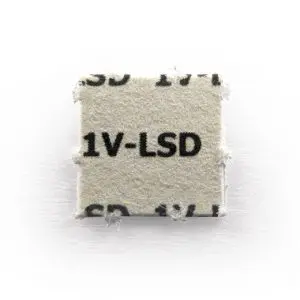
1V-LSD 150mcg Blotters
1V-LSD 150mcg Blotters From 22.00
(143)
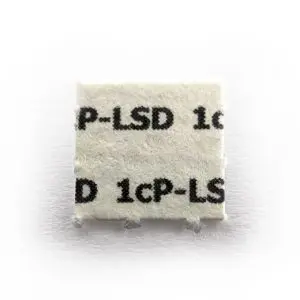
1cP-LSD 100mcg Blotters
1cP-LSD 100mcg Blotters From 18.00
(137)
Tryptamine Mix and Match Pack (4 x 0.1g)
Tryptamine Mix and Match Pack (4 x 0.1g) 65.00
(1)
1V-LSD 10mcg Micro Pellets
1V-LSD 10mcg Micro Pellets From 15.00
(43)
2-FDCK HCL
2-FDCK HCL From 12.00
(82)
1V-LSD 225mcg Art Design Blotters
1V-LSD 225mcg Art Design Blotters From 35.00
(62)
1S-LSD 150mcg Blotters
1S-LSD 150mcg Blotters From 29.00
(16)
1cP-LSD 150mcg Art Design Blotters
1cP-LSD 150mcg Art Design Blotters From 25.00
(74)
1V-LSD 225mcg Pellets
1V-LSD 225mcg Pellets From 35.00
(26)
1D-LSD 225mcg Pellets (1T-LSD)

SALE! -15%

1D-LSD 225mcg Pellets (1T-LSD) From Original price was: €42.00.Current price is: €35.70.
(13)
1cP-LSD 10mcg Micro Pellets
1cP-LSD 10mcg Micro Pellets From 15.00
(23)
5-MeO-DMT Freebase
5-MeO-DMT Freebase From 23.95
(36)
O-PCE HCL
O-PCE HCL From 17.50
(25)
1cP-LSD 20mcg Micro Blotters
1cP-LSD 20mcg Micro Blotters From 18.00
(27)
4-HO-MET Fumarate
4-HO-MET Fumarate From 19.50
(26)
rewards-icon
popup-logo

Reward program

popup-close
  • Earn
  • Affiliates