Welcome to
Chemical Collective

Are you 18 or older?

Please confirm that your are 18 years of age or older.

You are not allowed to access the page.

info-icon €100 for domestic (NL, CZ, DE) €125 for the rest of the EU, excluding stealth shipping

Free shipping over €50 & free tracked shipping over €100

Friendly customer service available 9-5pm Monday to Friday

Free shipping over €50 & free tracked shipping over €100

Friendly customer service available 9-5pm Monday to Friday

Your cart is empty

The Science of Lucid Dreaming – PART TWO: A Guide to Oneirogenic Plants and Compounds

david-blackbourn

By David Blackbourn

shutterstock 1164458512
in this article
  • Oneirogenic Plants
  • Modernism Oneirogens and Supplements
  • The Science of Lucid Dreaming
  • Psychedelics vs Oneirogens
david-blackbourn

By David Blackbourn

Disclaimer: The views and opinions expressed in this article are those of the authors and do not necessarily reflect the official policy or position of Chemical Collective or any associated parties.

In PART ONE of this two-part article on lucid dreaming, we explored the profound parallels between the psychedelic experience and the dreaming mind. Substances like psilocybin, DMT, and LSD can trigger lucid, dream-like experiences. This is believed to be largely due to their ability to suppress the brain’s Default Mode Network (DMN). This disorganises brain activity and throws the user into a state of high neural entropy, as described by Robin Carhart-Harris et al.’s “Entropic Brain Theory”. The resulting effects on REM sleep and the “rebound phenomenon” are secondary elements of the psychedelic experience, which can mimic or directly influence the dream state, potentially promoting more extreme or regular lucid dreams. Is this chemical means of altering our sleep a way for us to bring our waking consciousness with us into the dream world?

As discussed in part one, while psychedelics have a definite, profound effect on consciousness, the specifics of how they affect dreams, or the lucidity of dreams, are, while compelling, as yet unclear. So, in our continuing quest for lucid dream states, are there any other potential means?

If we move away from the realm of psychedelic compounds to a subtler, more actively targeted domain, we will discover a raft of historical data on the mysterious world of oneirogens. The term derives from the Greek “oneiros” (dream) and “gen” (to create). It refers to any substance which can produce, or catalyse, dreams themselves, or promote dream-like states of consciousness. While there is somewhat of an overlap with “classical” psychedelics, oneirogens are a distinct class of little-known psychoactive compounds with effects entirely their own. Quite unlike the intensely powerful, world-breaking, ego-dissolving substance we discussed in part one, oneirogens’ effects are much milder. They have minimal impact on waking life, but once we settle down to sleep, their effects become more apparent. Their purpose is not to shatter reality, but to specifically illuminate the dream world itself.

The primary distinction between the “classical” psychedelics and these milder substances is in the intent and the intensity. A high-dose trip on psilocybin, for example, will likely cause the user to experience what is described as “ontological shock”. This is related to the way people understand reality and existence. High-dose psychedelics can challenge the very notion of existence itself, so the experience could definitely be categorised as extreme. Contrast this with the waking effects of something like the “dream herb” Calea zacatechichi. While awake, a user might experience a slight bitter taste and little else. When unconscious, however, their dream may possess an unexpected clarity and coherence. This focus on altering specifically the unconscious mind is what sets these substances apart. Their neurochemical effects are more varied than psychedelics, the effects of which broadly centre on the 5-HT2A receptor and its links with serotonin.

From the sacred practices of the Xhosa people of South Africa to the divine rituals of Mexican shamans, oneirogens have been used for millennia. Humanity has developed an, as yet, little-understood toolkit of substances to directly impact their dreams. The Western world is only now getting to grips with these substances, and we are beginning to develop modern compounds and supplements applying the same thinking. This article will break down a variety of oneirogenic plants and compounds, discussing their historical usage, their effects, and the science (or lack thereof) behind them.

Oneirogenic Plants

Calea Zacatechichi – the “Dream Herb”

Perhaps the most well-known of the oneirogenic plants, Calea zacatechichi – colloquially known as the “dream herb” – originates from Oaxaca, Mexico. This unassuming shrub is sacred to the Chontal people. Traditionally, it was used by shamans for the purpose of divination. The dried leaves would either be brewed into a tea or smoked prior to sleep; the resulting dreams were believed to provide answers to problems or provide insight into future events.

Unlike the profound perceptual alterations caused by the psilocybin mushrooms from the same region, Psilocybe oaxacana, the effects of Calea zacatechechi are reported to be subtle. While conscious, a user may perceive nothing but a bitter taste and mild relaxation, but its true effects are reserved for sleep. It promotes dream clarity, vividness and recall – all aspects which can dramatically increase the chances of achieving unconscious lucidity. The scientific backing of these effects is limited, but there does seem to be some chemical changes in the brain associated with sleep. However, it is there may be some potential issues with the toxicity of the plant, so users should tread cautiously.

Silene Undulata – the “African Dream Root”

On the opposite side of the Atlantic, in South Africa, the Xhosa people have used Silene undulata to promote dreams for many years. Its use, as with all of these plants, is rooted (pardon the pun) in spiritual practice. Shamans known as Xhosa Diviners, employ Silene undulata as “cleansing” medicinal roots. The root is prepared by grinding it into a powder and mixing it with water until it creates a foam, which is then ingested. It is purported to promote vivid, prophetic dreams, allowing the diviner direct access to the spirit realm during sleep. This gives them the means to communicate with tribal ancestors to gain valuable insight.

The effects of the root are not immediate and may have no effect whatsoever initially. Their impact is described as cumulative, building in intensity over several days of use. Once again, the effect of Silene undulata on conscious experience is minimal. Though clinical studies into the substance are sorely lacking, its history of use and importance to the Xhosa suggest it has the potential to be applied in the context of lucid dreaming.

Entada Rheedii – the “African Dream Bean”

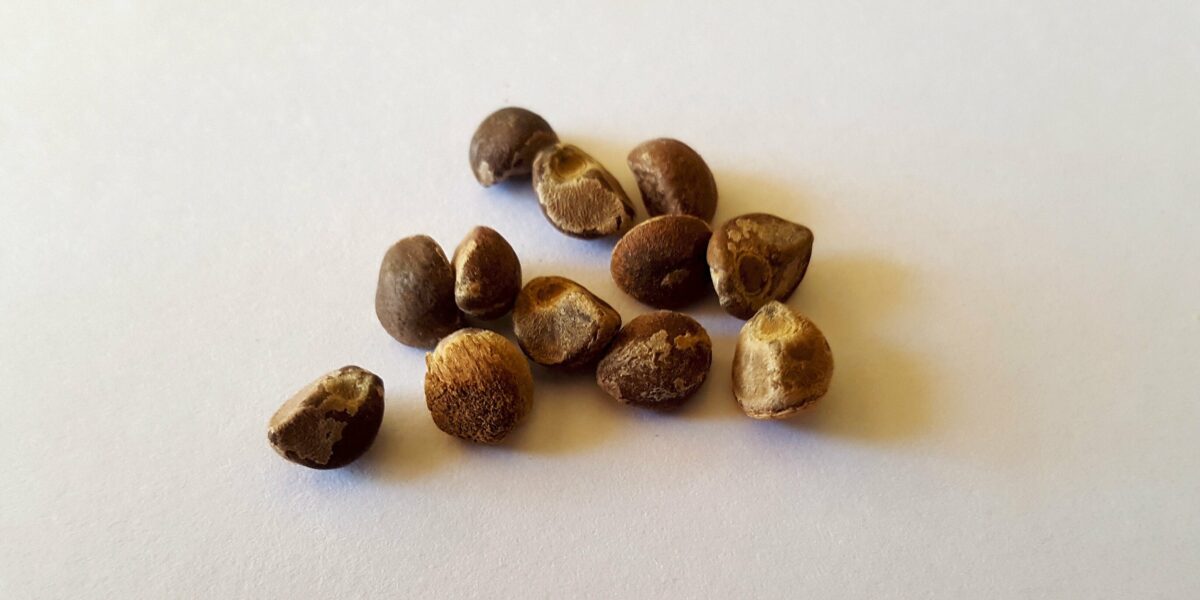
Widespread across Africa and parts of Asia, Entada rheedii is a climbing vine that produces large seed pods. These seeds are broken open, and the insides are harvested, dried, and either smoked or consumed orally. As with other traditional oneirogens, its waking effects are reportedly pretty much nil, but the dream state is markedly enhanced. Users report both particularly vivid dreams and increased recall on waking. The botanical properties of the plant are well studied, but once again, scientific data on its oneirogenic effects are non-existent. All knowledge we have on this purportedly powerful substance is confined to anecdotal accounts of current and historical usage. 

Artemisia Vulgaris – Common Mugwort

Unlike the more niche, unknown plants discussed thus far, Artemisia vulgaris is a common herb throughout Europe, Asia and North America, which holds a prominent place in Western folklore. Colloquially known as Mugwort, it has a wide variety of uses as an adjunct to traditional medicine, but is most well known for its association with dreaming. For centuries, Mugwort has been the key ingredient in “dream pillows”. These consist of dried mugwort herb mixed with others (usually lavender, mints, or other aromatics) in a small pillow or sachet. This is kept near the pillow so it is inhaled as you lie down to sleep. It is also used similarly as an incense. The effects are considered to be milder than Calea zacatechichi or Silene undulata. Once again, though, its usage is well documented throughout folklore, over the generations. While its mechanism of action is unsurprisingly also not well understood, with little to no scientific grounding, widespread usage suggests there are some repeatable effects.


Modernism Oneirogens and Supplements

The desire to enter the dream world consciously has not diminished. The method by which interested people are attempting to catalyse these experiences, though, has developed drastically. Western medicine has progressively moved away from traditional herbalism or ethnobotany to more precise methods. Pharmacology, in theory, offers a more targeted means for achieving dream lucidity. 

Galantamine

The most potent and widely researched modern means of inducing lucid dream states is Galantamine. It was originally extracted from the snowdrop flower (Galanthus nivalis) and is currently employed as a prescription medication to tackle the symptoms of Alzheimer’s disease. The reason it is used in this context is that Galantamine is a competitive, reversible, acetylcholinesterase inhibitor that increases brain acetylcholine, a chemical of great importance in cerebral function. Simply put, it improves cognitive function to maintain lucidity in the waking world. It is this effect that is also of interest to those seeking lucid dream states.

When Galantamine is taken in the middle of the night after a short period of initial sleep, it can significantly increase the levels of acetylcholine in the brain. Cholinergic activity is already naturally present during REM sleep. The result of the addition of galantamine, as demonstrated in a 2018 study, is a dramatic increase in the likelihood of experiencing a lucid dream. Unlike classic psychedelics, these effects are specifically targeted to lucidity with little in the way of other psychoactivity.

5-HTP

5-Hydroxytryptophan (5-HTP) is an amino acid that occurs naturally in the body. 5-HTP is a direct chemical precursor to tryptophan, which is important in sleep regulation. It is widely available as a supplement, typically extracted from the seeds of the African plant Griffonia simplicifolia. It is often used as a means to combat depressive symptoms and support mood in general, though it is not officially approved as a medication. Similar to the potential impact of psychedelics on the dream cycle, 5-HTP initially suppresses REM sleep, causing a resultant rebound effect. This rebound effect is reported to cause an increase in the length and intensity of dreams. It does not specifically target dream lucidity as Galantine is able to; rather, it increases the likelihood of experiencing lucidity via what you might call brute force means – simply increasing the amount of intense dreaming experienced throughout the night.

Melatonin

Melatonin is one of the most well-known sleep aids. It is a natural hormone produced in the pineal gland in response to the light-dark cycle. The purpose of melatonin is to regulate the body’s circadian rhythm, or internal clock. It is widely used as a supplement to combat sleep disturbances, such as insomnia, or caused by things like jet lag. While it is mainly used for the purpose of promoting the onset of sleep, one of its most commonly reported side effects is an increase in the clarity of dreams. The reason for this is not fully understood, but it is theorised that it is simply promoting longer periods of REM sleep due to its sleep-cycle management effects. Melatonin may not be considered on par with the other oneirogenic substances we have discussed; it could perhaps be used as an adjunct to other means of increasing dream lucidity.
The Science of Lucid Dreaming

Oneirogenic substances influence dreams through a variety of both physiological and psychological means:

The Cholinergic Pathway

As we have already established, the neurotransmitter acetylcholine is a primary factor in promoting REM sleep. It is also strongly associated with memory and learning. Neuroimaging studies have monitored cholinergic activity in the brain and found that it peaks during REM sleep. As we have seen, modern supplements such as Galantine’s effects stem from its manipulation of cholinergic activity. Galantine specifically prevents the breakdown of acetylcholine in the brain, increasing its concentration. This results in increased lucidity and the chances of the dreamer becoming self-aware while unconscious.

The Serotonergic Pathway

This is the area in which psychedelics and oneirogens share some mechanism of action. Serotonin activity is seen less as a catalyst for lucidity itself and more as a sleep/dream modulator. As we have mentioned, it is the rebound effect on REM sleep which promotes deeper dreaming, increasing the chance of lucidity as a byproduct of this, as opposed to directly targeting lucidity itself.

The Placebo Effect

The placebo effect is an important aspect of these substances that we have yet to explain. Psychology cannot be ignored when we consume anything at all; the context in which it is taken, the cultural opinion of said substance, etc., all have a profound impact on its perceived effects/benefits. Put simply, the placebo effect is the ability of the body to stimulate healing, even when a particular substance/activity has no proven physiological effect. It involves fooling yourself, or convincing yourself to feel better, if you will.

As we have seen, the scientific grounding of the majority of these oneirogenic substances is extremely limited, with much of their appeal stemming from widely accepted historical usage. It is worth considering here the context in which they will have been consumed in the past. Take Calea Zacatechichi, for example, which was commonly taken in a ritual, spiritual context. The societal importance of this cannot be understated, nor can the effect of ritual itself on promoting the placebo effect. As with psychedelics, the effect of “set and setting” on these substances is profound.

Psychedelics vs Oneirogens

While we have seen there is some minor crossover between the effects of psychedelics and oneirogens, their impact on dreaming and lucid dreaming in particular differ drastically. Whereas psychedelics have the potential to completely shatter the waking world, their effects on dreaming are limited. Due to their focus on the serotonergic pathway, it is pretty much solely the rebound effect on REM which could be seen to increase the possibility of lucid dreaming, as opposed to promoting them directly. 

Oneirogens have minimal effect on the waking experience but myriad effects on the unconscious mind. While some of these effects may stem from ritual or placebo, we are unsure for the majority of the scientific grounding for their perceived effects. It is well-researched substances like Galantamine, with their effects on cholinergic activity, which hold the most proof of their impact on dream lucidity.

Ultimately, when considering each class of substance, the principles for their use remain the same. The drive to explore our inner worlds has not lessened into the modern day, but it must always be tempered with caution, especially as in Western society we lack the cultural grounding of a lot of these substances. The dream state is one of the last great, unexplored frontiers of the human experience. Dreams are potentially a source for profound insights. By harnessing historical knowledge and combining this with modern scientific investigation, we will be able to better support ourselves in entering this realm, remembering what we encounter, and bringing back with clarity the knowledge that we discover within.

David Blackbourn | Community Blogger at Chemical Collective

David is one of our community bloggers here at Chemical Collective. If you’re interested in joining our blogging team and getting paid to write about subjects you’re passionate about, please reach out to Sam via email at samwoolfe@gmail.com

share your toughts

Join the Conversation.

0 Comments
Inline Feedbacks
View all comments

Related articles

Our Products

Related Products

1V-LSD 150mcg Blotters
1V-LSD 150mcg Blotters From 22.00
(143)
1cP-LSD 100mcg Blotters
1cP-LSD 100mcg Blotters From 18.00
(137)
Tryptamine Mix and Match Pack (4 x 0.1g)
Tryptamine Mix and Match Pack (4 x 0.1g) 65.00
(1)
1V-LSD 10mcg Micro Pellets
1V-LSD 10mcg Micro Pellets From 15.00
(43)
2-FDCK HCL
2-FDCK HCL From 12.00
(82)
1V-LSD 225mcg Art Design Blotters
1V-LSD 225mcg Art Design Blotters From 35.00
(62)
1S-LSD 150mcg Blotters
1S-LSD 150mcg Blotters From 29.00
(16)
1cP-LSD 150mcg Art Design Blotters
1cP-LSD 150mcg Art Design Blotters From 25.00
(74)
1V-LSD 225mcg Pellets
1V-LSD 225mcg Pellets From 35.00
(26)
1D-LSD 225mcg Pellets (1T-LSD)

SALE! -15%

1D-LSD 225mcg Pellets (1T-LSD) From Original price was: €42.00.Current price is: €35.70.
(13)
1cP-LSD 10mcg Micro Pellets
1cP-LSD 10mcg Micro Pellets From 15.00
(23)
5-MeO-DMT Freebase
5-MeO-DMT Freebase From 23.95
(36)
O-PCE HCL
O-PCE HCL From 17.50
(25)
1cP-LSD 20mcg Micro Blotters
1cP-LSD 20mcg Micro Blotters From 18.00
(27)
4-HO-MET Fumarate
4-HO-MET Fumarate From 19.50
(26)
rewards-icon
popup-logo

Reward program

popup-close
  • Earn
  • Affiliates