Welcome to
Chemical Collective

Are you 18 or older?

Please confirm that your are 18 years of age or older.

You are not allowed to access the page.

info-icon €100 for domestic (NL, CZ, DE) €125 for the rest of the EU, excluding stealth shipping

Free shipping over €50 & free tracked shipping over €100

Friendly customer service available 9-5pm Monday to Friday

Free shipping over €50 & free tracked shipping over €100

Friendly customer service available 9-5pm Monday to Friday

Your cart is empty

How Do Psychedelics Change People’s Moral Attitudes and Behaviours?

oli-genn-bash

By Oli Genn-Bash

shutterstock 2657010033
in this article
  • Psychedelics and the Plasticity of Moral Intuition
  • Do Psychedelics Increase Compassion and Care?
  • Moral Rigour vs Moral Pluralism
  • When Psychedelics Create Moral Confusion
  • Do Psychedelics Expand the Moral Circle?
  • Psychedelics Don’t Provide a Single Moral Direction
oli-genn-bash

By Oli Genn-Bash

Disclaimer: The views and opinions expressed in this article are those of the authors and do not necessarily reflect the official policy or position of Chemical Collective or any associated parties.

In a 2024 interview with OPEN Foundation, mycologist Paul Stamets made the claim that psychedelics (psilocybin-containing mushrooms in particular) make people “nicer, smarter, and more intelligent” with changes occurring in perception of mood, environment, heightened states of awareness, and empathy. Stamets makes the claim that even at low doses, we’re able to increase our sense of compassion and cordiality with others, with research even showing that consumption of psilocybin-containing mushrooms has a positive impact on reducing crime rates among adults in the USA. 

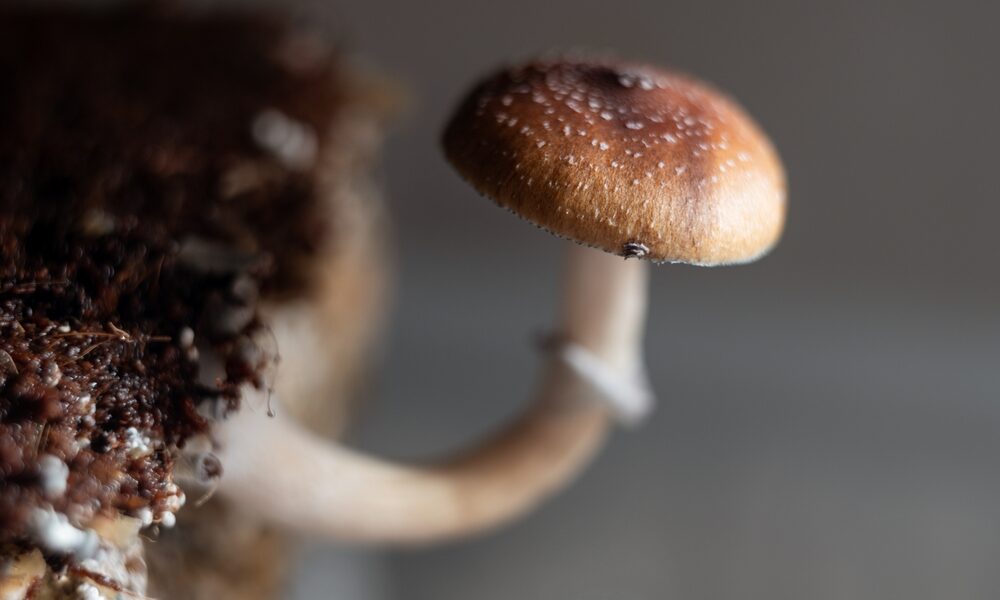
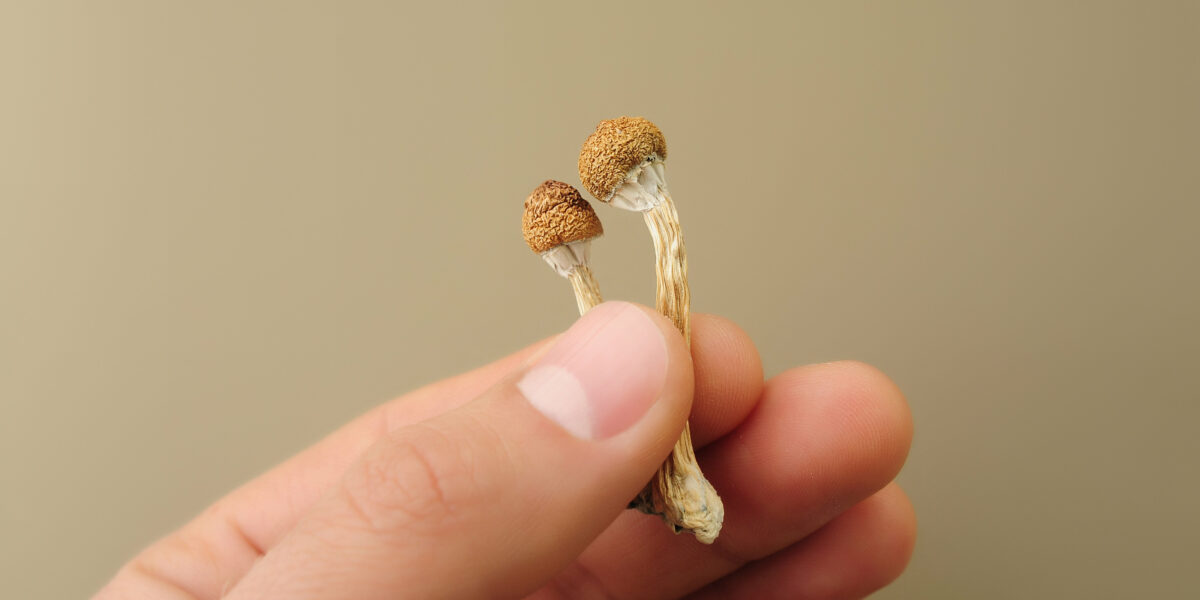
My initial experiences consuming mushrooms with friends were often characterised by a lot of laughter, joy, silliness, and a general appreciation for our natural environment. This was at our university in Canterbury, where we had the benefit of being on a campus which backed onto woodland and, fortunately, had the potent Psilocybe semilanceata (commonly referred to as liberty caps) growing close by. Consuming these mushrooms within a small group setting in nature always seemed to be conducive to creating a sense of togetherness and compassionate energy, while allowing us to individually be captivated by a sense of wonder as we engaged with each other and the world. 

Psychedelics can often be thought of in moral terms, with some research providing promising evidence to suggest that these substances can be seen as “moral bioenhancers” where we might be able to fine-tune our moral traits or capacities. This isn’t to suggest that we should think of the “fine-tuning” aspect in the sense of cognitive enhancement or biohacking, but more within the scope of moral improvement being robust, sustainable, and flexible across different contexts. Different psychedelic plants and fungi have the potential to increase nature relatedness, which could have a positive impact on our state of awareness, where we might experience a ‘consciousness shift’ in terms of our environmental worldview or metaphysical beliefs in relation to the natural world. 

Does this potentially shift allow us to change our moral intuitions and become more ethical, or do we just simply become more open to different worldviews? An overview of this evidence from Katherine Maclean and Roland Griffiths in 2011 suggested that the impact of spiritually significant or mystical experiences might be quite substantial when it comes to long-term changes in behaviours, attitudes, and values. Looking at changes in the five broad domains of personality – Neuroticism, Extroversion, Openness, Agreeableness, and Conscientiousness – this report found increases in aesthetic appreciation, imagination, and creativity, as well as significant increases in Openness following a high-dose session with psilocybin-containing mushrooms. 

Psychedelics and the Plasticity of Moral Intuition

When we think of what it means to be moral, is this something which we come to via pure rationality alone? Social psychologist Jonathan Haidt has explored the idea that moral judgements aren’t just simply a result of moral reasoning; rather, it seems that we might have a small set of innate psychological systems that form the foundation of our moral judgements. Similarly to how we might find something aesthetically pleasing, we make moral judgements quickly and intuitively. This intuitionist model emphasises the importance of social and cultural influences, while de-emphasising the importance of individual reasoning. 

The intuitionist view is that we come to these moral judgements by way of perception, and it could be that the destabilising effect of psychedelics can have an impact on our moral intuition. Certain plants or fungi, such as ayahuasca or psilocybin-containing mushrooms, can modulate the Default Mode Network, where increases in neural connectivity and heightened positive emotional sensitivity are often experienced.

The impact of psychedelics such as mushrooms might be that they provide a window of moral plasticity, where a sense of openness or wonder might be experienced, which allows the individual to shift towards a state of cognitive flexibility and emotional empathy. Psychedelic researcher David Yaden has suggested that mystical experiences have the ability to promote pro-social behaviours, with a focus on self-transcendent experiences (STEs) – transient mental states marked by decreased self-salience and increased feelings of connectedness. This would involve things like mindfulness, flow, peak experiences, mystical-type experiences, and certain positive emotions such as love or awe. 

But are these kinds of states or emotions something that psychedelics are able to induce? Is there something intrinsic to the psychedelic experiences which implants new values? My encounters with certain people in the past might actually lead me to believe the opposite – during my time at university, I encountered many people who’d taken psychedelics, and it seemed like they just became more of what they already were (which might be anything from a nature-connected hippie to a rugby-playing lad who enjoys a line of coke and a pint of beer on a regular occasion).

Could it be that psychedelics have the ability to loosen existing moral frameworks and allow people to reconsider them? Perhaps there needs to be a degree of openness (and dare I say intelligence) to begin with – there’s not much point being presented with the idea that you could reconsider your moral values if you lack the ability to actually engage in the act of reconsideration. Not to sound too much like an upper-class arsehole, but I think perhaps there’s a degree to which the potential for any kind of moral flexibility is lost on some people, but not on others. 

Do Psychedelics Increase Compassion and Care?

Some research has shown that psychedelics such as psilocybin-containing mushrooms don’t actually have any impact on our moral decision-making, but rather they increase our emotional empathy and social cognition. Empathy is an important part of prosocial behaviour and plays a crucial role in the maintenance of social relationships. This could suggest that while mushrooms don’t have a direct impact on our moral standing, they can effectively allow us to become kinder, more empathetic, and experience more positive social relationships. Our behaviour can then be maintained in a more positive way, where we can come to the understanding that healing isn’t just confined to the individual, but is more closely related to others within our community. 

Something known as ‘dispositional awe’ – a stable personality trait representing an individual’s general tendency to experience awe in daily life – can be a useful predictor of the degree of harm prevention or fairness that an individual might display. Individuals who are high in dispositional awe might experience greater levels of mental well-being, increased prosocial behaviour, less desire for material gain, less fixation on mundane desires, and better stress management. 

Could these aspects of dispositional awe allow us to look more outside of ourselves, where we become less concerned with the challenges we face and have more capacity for others? While it might seem obvious to some that psychedelics have the potential to allow us to look outside of ourselves, for some individuals, it might be that these kinds of experiences offer the first opportunity for this level of engagement with a more interconnected sense of reality. 

Research has shown that psilocybin-containing mushrooms, in particular, have the ability to increase social connectedness. This facilitation of self-expansion occurs through two complementary mechanisms: ego dissolution, which temporarily alters self-boundaries, and enhanced emotional processing, which increases empathic concern. This sense of connectedness can extend even further towards other beings and nature itself as a whole. Psychedelics can allow us to see ourselves and nature not as two distinct aspects of reality, but rather as one cohesive whole, where we recognise the spiritual essence or agency of all living things. 

These improved relationships with others and our natural world might lead us to believe that these kinds of compassionate feelings always translate into consistent ethical behaviour. But is this necessarily the case, or does the degree to which they promote a sense of openness leave more up for grabs when it comes to our sense of morality? Is there a danger of being so open that everything just simply falls out? 

Moral Rigour vs Moral Pluralism

Do some people return from their psychedelic experiences with stronger moral commitments? It might be that people have radical shifts in their outlook on life after a powerful experience, where they turn towards veganism, for example, after feeling more solidarity with other animals, or engage more with social justice after feeling catalysed by their integration of psychedelic spirituality. The impact of these kinds of experiences isn’t just limited to the individual and what healing needs to be done, but more so, they can inspire us through these feelings of interconnectedness to challenge the root causes of social injustice, rather than just simply engaging with transcendent pursuits. This sense of moral rigour could also extend towards the creation of established spiritual ethical frameworks, where this kind of exploration can occur ideally within a safe and structured environment. 

But are there instances where others move towards moral relativism or pluralism, where they are less convinced that any one single moral outlook is absolute? Can experiences of unity create a shift where a dissolution of cultural boundaries occurs, and we might encounter those who have radically different viewpoints from ours? Non-classical psychedelics such as MDMA have been shown to increase our sense of openness, allowing for positive therapeutic changes and reducing symptoms of PTSD, which resulted in lasting personality changes. 

From a therapeutic perspective, it certainly seems beneficial to allow ourselves to become less rigid if these experiences can increase our feelings of openness and reduce mental health symptoms which aren’t serving us in positive ways. I’ve certainly found something like MDMA to be an amazing catalyst for promoting a sense of openness, where I’m not in a place of being judgemental or cynical…and it’s really quite a beautiful thing to find a sense of release from these traps that ultimately keep us separate from each other. 

Could it be that psychedelics allow us to expand our moral circle, rather than prescribing a specific ideology? The sense of ego dissolution, mystical-type experiences, or feelings of being moved or admiration during our psychedelic experiences might be enough to promote changes in moral expansiveness. These feelings of admiration or awe seem to be associated with a heightened sense of moral expansiveness, and ultimately longer-term shifts in moral behaviour and decision making over time. 

But is this then too vague? Does a sense of moral expansiveness just leave us in the lurch with no direction?

When Psychedelics Create Moral Confusion

Are we wrong to assume that moral change is always positive and coherent? If psychedelics have the power to destabilise identity and values, should we always assume that our identities and values need destabilising in the first place? 

I feel like there’s an attitude in Western culture, in particular, when it comes to psychedelics, which suggests our thoughts and values are essentially wrong, or have been solely directed towards engaging with activities that draw us away from connection to others and the land. While this might be true to a certain extent, I feel like we often sit with the idea that there’s something wrong or misaligned with us, and we need psychedelics to show us the way and instil a new worldview to make us feel more comfortable. 

Is there any possibility that during these experiences we might start to think things that aren’t actually true? Some research has shown that subjective and brain-based alterations under the influence of psychedelics increase the quantity and subjective intensity of insights, and consequently beliefs, including false ones. The potential destabilisation of identity and values could lead us to possibly discounting previously held beliefs or adopting new systems of belief in a totally uncritical way. 

This gets us onto the concept of ‘spiritual bypassing’, where we ultimately avoid grappling with the darker, more complex aspects of reality, and instead simply engage with the light in the mistaken belief that we’re doing healing work. We might encounter those who talk about always wanting to keep their vibrations high, or criticising those for bringing negative energy to a situation. In his 1984 book Spiritual Bypassing: When Spirituality Disconnects Us from What Really Matters, Robert Augustus Masters explains that this concept is “the use of spiritual practice and beliefs to avoid dealing with our painful feelings, unresolved wounds, and developmental needs”.

When the world is currently experiencing ongoing genocide and regional war, now is the time more than ever to engage with what’s really going on. How can we maintain a sense of inner peace if we’re ignoring outer war? I often find myself in these discussions with people who simply say the best thing you can do is get on with your projects and hope to affect change in a small way possible, rather than getting involved with the big stuff that we have no real hope of changing. I have met spiritually-minded individuals who say they’re ‘not political’ while not recognising that this is actually a political choice born out of privilege.

We might not ever be able to undermine the military industrial complex through psychedelic consciousness expansion, but there could still be some degree to which we can inspire lasting unity and positive change even within smaller communities. My experience of this, however, has largely been frustrating, and it feels like these kinds of conversations are only just starting to resurface, given the potential anti-war sentiment of the psychedelic 60s and 70s. 

It could be that psychedelic insights are shaped more by culture and community (specifically, how these insights are integrated) rather than anything necessarily intrinsic to the experiences themselves. Some research from Brian Pace and Nese Devenot of Psymposia (a self-described psychedelic watchdog group) has suggested that there are instances of individuals remaining authoritarian in their beliefs after consuming psychedelics, as well as some individuals even becoming radicalised after extensive use of these substances. This research has shown that any potential changes in political beliefs are a contextual result of set and setting, with “no particular directional basis on the axes of conservatism-liberalism or authoritarianism-egalitarianism.”

Could it be that psychedelics simply amplify our moral sensitivity, rather than providing any specific direction? Ultimately, it’s up to us to interpret our experiences, and often our interpretations might be based on a shaky foundation that might not necessarily yield positive outcomes. How we live our lives and what kinds of activities we engage in, along with how we treat other people, is the only real testament to the benefit of psychedelics. We can’t just live in a vacuum and expect these substances to magically heal us or make us nicer people – they simply don’t work in that way, and I would personally treat anyone with suspicion who tries to convince me otherwise. 

Do Psychedelics Expand the Moral Circle?

One of the most consistent patterns is that psychedelics do have the potential to increase our sense of interconnectedness, often expanding beyond our immediate social groups. Our concern might extend outwards towards other humans, future generations, non-human animals, or environmental concerns. The degree to which we’re able to experience a sense of introspection might catalyse a more diverse or cosmopolitan set of morals, allowing us to explore our own foundations in relation to others and see where we might be able to expand our beliefs about the world. 

A psychedelic experience that induces a state of ego-dissolution might potentially be useful in temporarily breaking down certain barriers that might relate to national identity, political/tribal affiliation, or rigid group boundaries. This might explain why there could be a sense of feeling connected to humanity as a wider whole, allowing stronger identification with other human beings, which could, in essence, expand our moral circle. 
Psychedelics Don’t Provide a Single Moral Direction

It sometimes feels at odds with my experiences to think that psychedelics don’t actually have the potential to create some kind of universal moral framework. I’m friends with certain people I’ve connected with through the psychedelic space, largely because we share similar values, have similar outlooks on life, and generally have a shared sense of humour where we’re not necessarily taking life too seriously. So why can’t we all just be like this and enjoy the connection with each other? 
It might seem childish to constantly ask why we have to kill each other in unnecessary wars when there’s so much money to go around and provide everyone with what they need. The people who’ve probably just made a lot of money after US President Donald Trump signed an executive order to fast-track drug research probably don’t care about the root causes of the trauma (in this case, war) they’re hoping to heal with substances such as ibogaine. 

While it’s impossible to deny the benefits of these substances in treating conditions such as PTSD, it seems clear that consumption of psychedelics doesn’t necessarily lead to a more ethical or moral world. Instead, these substances tend to intensify emotions as well as loosen our cognitive frameworks, which could result in an expanded perspective when it comes to our morality. This doesn’t necessarily mean an expanded perspective will always result in something positive, and I think it’s important to reiterate that the outcome is dependent on a number of different factors. 

Our personal psychology, cultural context, community values, integration practices, and the ways in which we engage with our authentic selves all determine our ethical conclusions. Two people having a similar psychedelic experience might arrive at totally different ethical conclusions, and it’s important to recognise where psychedelics do have the potential to blur boundaries and create situations that aren’t so fixed as we think they ought to be. 

Ultimately, it’s down to us to decide what we do or think in these highly suggestible states, where a sense of openness can almost lead anywhere. Psychedelics can have the potential to reshape our moral intuitions, but they do so in an indirect way. These experiences can increase our empathy, dissolve rigid beliefs, and overall expand our perspective to include different beliefs. But this has to be done with care to ensure that people of a more psychopathic persuasion in positions of power don’t start smoking DMT and communicating with the machine elves and being told to enslave humanity. 

Thankfully, I don’t associate with any psychopaths, and I see that for most people I encounter in the psychedelic space, their experiences seem to result in greater care and compassion for humanity, along with the rest of the world. They are kinder, able to listen more, have a greater sense of humour, enjoy engaging with nature, and are generally curious and creative in their thinking. Often, we think of psychedelics as being teachers, perhaps with the expectation that we’re simply just going to receive the downloads or instructions we need. Which I’m not saying doesn’t happen, but we might start to think of them more as moral catalysts rather than teachers, where they amplify the processes through which people reflect on what really matters. 

Oli Genn-Bash | Community Blogger at Chemical Collective | linktr.ee/oligennbash

Oli is one of our community bloggers here at Chemical Collective. If you’re interested in joining our blogging team and getting paid to write about subjects you’re passionate about, please reach out to Sam via email at samwoolfe@gmail.com

share your toughts

Join the Conversation.

0 Comments
Inline Feedbacks
View all comments

Related articles

Our Products

Related Products

1V-LSD 150mcg Blotters
1V-LSD 150mcg Blotters From 22.00
(147)
1cP-LSD 100mcg Blotters
1cP-LSD 100mcg Blotters From 18.00
(138)
Tryptamine Mix and Match Pack (4 x 0.1g)
Tryptamine Mix and Match Pack (4 x 0.1g) 65.00
(1)
1V-LSD 10mcg Micro Pellets
1V-LSD 10mcg Micro Pellets From 15.00
(45)
1V-LSD 225mcg Art Design Blotters
1V-LSD 225mcg Art Design Blotters From 35.00
(64)
1S-LSD 150mcg Blotters
1S-LSD 150mcg Blotters From 29.00
(20)
1V-LSD 225mcg Pellets
1V-LSD 225mcg Pellets From 35.00
(26)
1cP-LSD 10mcg Micro Pellets
1cP-LSD 10mcg Micro Pellets From 15.00
(23)
1D-LSD 225mcg Pellets (1T-LSD)
1D-LSD 225mcg Pellets (1T-LSD) From 42.00
(13)
5-MeO-DMT Freebase
5-MeO-DMT Freebase From 23.95
(36)
O-PCE HCL
O-PCE HCL From 17.50
(25)
1cP-LSD 20mcg Micro Blotters
1cP-LSD 20mcg Micro Blotters From 18.00
(29)
4-HO-MET Powder
4-HO-MET Powder From 19.50
(27)
1cP-LSD 150mcg Pellets
1cP-LSD 150mcg Pellets From 25.00
(13)
4-AcO-MET Fumarate
4-AcO-MET Fumarate From 19.50
(12)
rewards-icon
popup-logo

Reward program

popup-close
  • Earn
  • Affiliates