Numerous proposed or trialled eco-anxiety interventions involve group work. Groups can be a helpful container for emotional processing, and difficult emotions such as anxiety, guilt, and loss may become more manageable once shared, with the experience of grief for many cultures being communal as opposed to solitary, as it tends to be in Western culture. Groups can also galvanise action and bring social connection, helping connect one’s inner experience of eco-anxiety to the experience of others. Sharing experiences of powerlessness, hopelessness, overwhelm, and fear with others who feel the same may aid in the normalisation, validation, and processing of these feelings, providing individuals with the opportunity to learn from them.
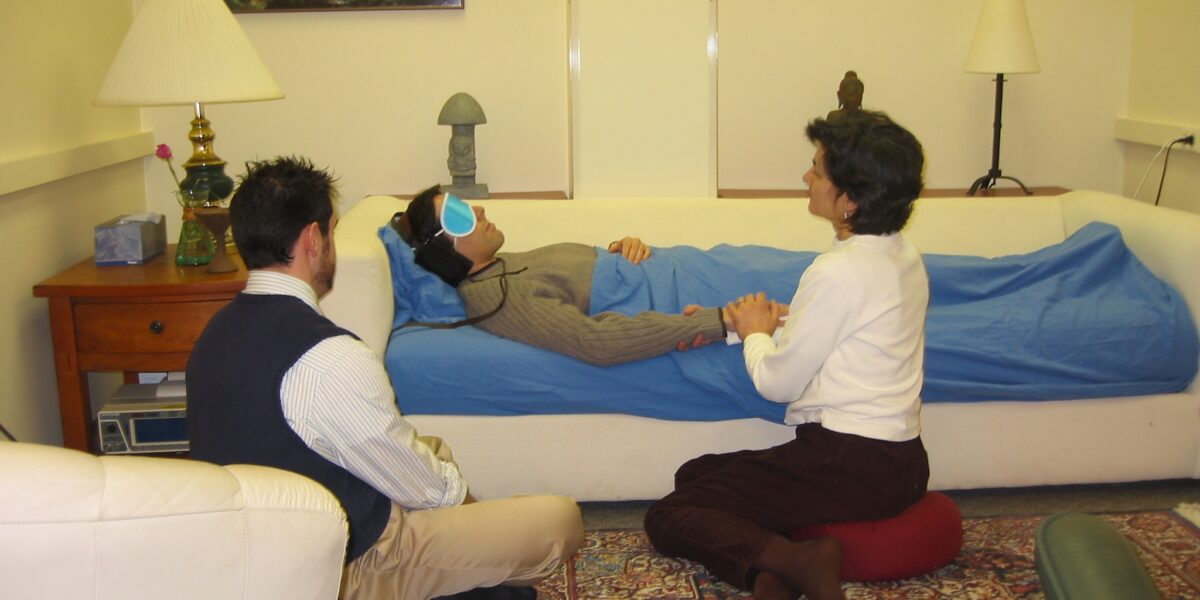
In Indigenous contexts, psychedelics have long been used in group contexts, in a ritualised or ceremonial fashion, and group formats are widespread in naturalistic contexts of Western psychedelic use. The socially constructive function of psychedelics has developed across Indigenous cultures through ritualised forms of consumption, where they tend to be used in communal contexts. Social bonds and ecological relationships tend to form important features of such usage. This stands in marked contrast to clinical psychedelic usage, which tends to prioritise a much more individualistic approach to psychedelic administration, where individuals tend to be more cut off from other people and other beings. Psychedelics used in group settings may yield some additional therapeutic benefits in comparison to administration in individualistic contexts, having the potential to facilitate collective meaning-making and a sense of affiliation as part of an enhanced sense of social connectedness or ‘communitas’.
One notable exception to the individualistic psychedelic therapy approach was a pilot study assessing the capacity of psilocybin combined with group therapy before and after the experience to treat demoralisation in a cohort of long-term AIDS survivors suffering from demoralisation and traumatic loss. This approach was found to be effective, with a qualitative assessment of some of this cohort revealing two key themes of transformation: participants reported a shift from habitual, evaluative modes of processing to more mindful, experiential modes of processing, and being freed from emotionally avoidant tendencies.
Participants were able to process and release previously disowned feelings (e.g. grief, shame) while better accessing relational and self-transcendent feelings (e.g. joy, gratitude, love, care, compassion). The sessions also supported processes of meaning-making and realisation of post-traumatic growth in psychological, relational, and spiritual aspects of people’s lives, facilitating integration of past traumas and a shift from a “trauma-dominant” to “growth-dominant” perspective. Findings were suggestive that administering adjunctive group therapy can enhance trauma processing by reinforcing feelings of safety, trust, belonging, and social cohesion. The implications of these findings may also hold relevance for helping people process the emotional burden of eco-anxiety, and these benefits may extend to and be amplified by shared, group-based psychedelic experiences as well as group therapy approaches on either side of the psychedelic session.
Psychedelic group sessions could then be paired with group work following the session, potentially with the same individuals who shared in the psychedelic experience together. Not only could this aid in integration while bolstering connection, but it could also provide further opportunities to express challenging emotions that may have come up during the psychedelic session. This group work could take the form of the late eco-philosopher Joanna Macy’s “The Work That Reconnects”, which has shown promise in helping people process the difficult emotions associated with eco-anxiety. The experiential work follows a spiral sequence flowing through four stages beginning with gratitude, then honouring one’s pain for the world, seeing with new eyes, and finally, going forth. While environmental issues such as climate change and biodiversity are a shared, collective stressor, themes of isolation have emerged in how it is experienced by individuals, which may exacerbate its negative impact. Group work and collective action can help buffer against this.

















































share your toughts
Join the Conversation.