in this article
- Neuroplasticity and Mental Health
- Beyond Psychiatry: Neurodegeneration and Stroke
- Brain Injury and Inflammation
- Inflammation, Chronic Pain, and Physiotherapy
- Overcoming Barriers to Access
- The Future is Fluid
Are you 18 or older?
Please confirm that your are 18 years of age or older.
You are not allowed to access the page.
Disclaimer: The views and opinions expressed in this article are those of the authors and do not necessarily reflect the official policy or position of the Chemical Collective or any associated parties.
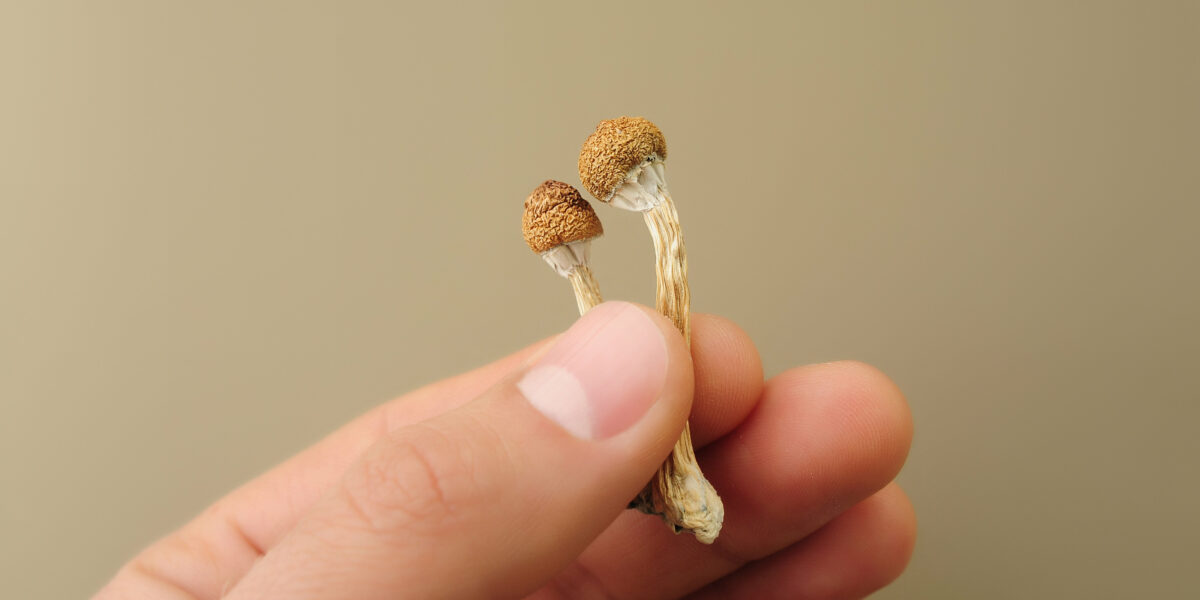
Psychedelics have been pinned as the latest innovation in mental health care, with research showing rapid and sustained improvements in conditions such as anxiety and depression.
Studies show that compounds such as psilocybin, LSD, DMT, and MDMA, among others, can produce clinically meaningful effects in patients who are resistant to traditional therapies.
The magic lies in their ability to improve plasticity in the brain – enabling the brain to move away from rigid thought patterns and behaviours towards new, healthier habits.
Importantly, research has demonstrated that the altered state produced by psychedelics may contribute to improved mental health outcomes.
These altered states allow for insights into our habits, behaviours, and emotions, facilitating emotional processing and deepening understanding of ourselves.
These states often also produce mystical insights, oceanic boundlessness, or “ego dissolution”, and studies demonstrate that these experiences are correlated with a larger reduction in mental health symptoms.
If this is the case, then why develop psychedelics without the altered states?
While I believe that the hallucinogenic component of psychedelic-assisted psychotherapy is an important factor in mental health outcomes, I also believe that psychoplastogens may have the potential to provide innovation in other health fields and, even in mental health care, if current research produces positive evidence.
Let’s explore why.
Research shows that in mood disorders, neuroplasticity is impaired in brain regions vital for regulating emotions.
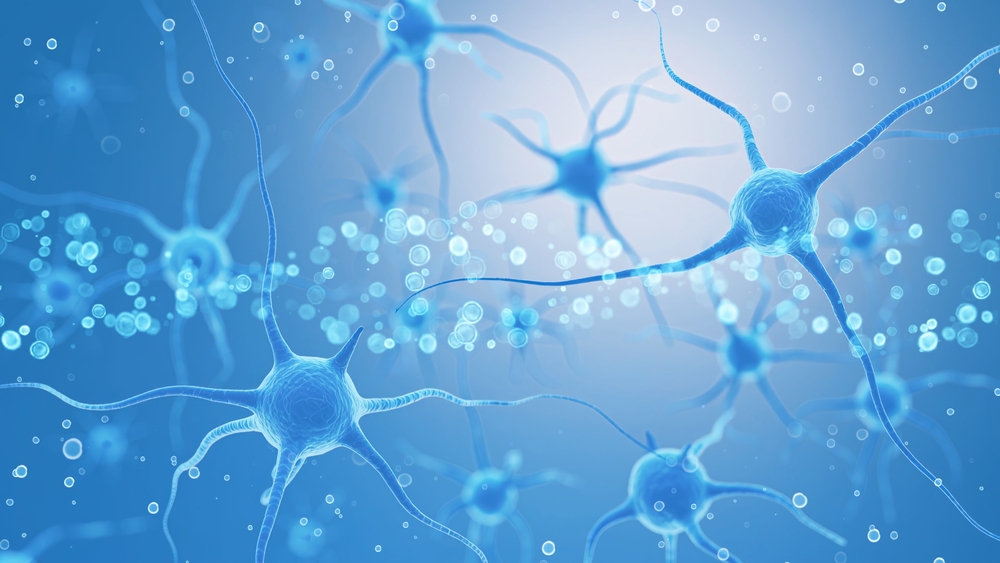
Inducing neuroplasticity – the brain’s ability to reorganise itself – is a key mechanism by which psychedelics improve mental health in people with conditions such as anxiety and depression.
Importantly, as noted, research has found a correlation between the intensity of mystical experiences produced by psychedelics and improved clinical outcomes for mental health.
Furthermore, research shows that positive emotional experiences elicited by these compounds are also predictive of improvements in mental health.
With this evidence in mind, we can see the importance of psychoactive effects for mental health outcomes – facilitating emotional insights and processing.
However, emerging research is exploring whether psychoplastogens that induce neuroplasticity may also produce mental health improvements, without the psychedelic effects.
While I do believe that psychedelic insights and experiences are an important factor in emotional healing, personal growth, and improving mental health symptoms, attending hours-long treatment sessions is not practical for all.
I will explore this further in the section ‘Overcoming Barriers to Access’.
Neuroplasticity also plays a complex role in neurological disorders and neurodegeneration.
Much like in psychiatric disorders, neuroplasticity is impaired in conditions such as Alzheimer’s and Parkinson’s disease, and can contribute to motor skill impairment, affective behaviours, and poor cognitive function.
There is currently some research being carried out that explores psychedelics for neurodegeneration, which aims to retain the synaptic plasticity provided by psychedelic compounds while removing the subjective effects.
For example, a non-hallucinogenic analogue of psilocybin has been developed for frontotemporal dementia.
So far, animal models have shown efficacy with a single dose, along with improvements in sleep, learning, and memory, and clinical data suggest the compound has a positive effect on the 5-HT2A receptor.
Currently, drug development for Alzheimer’s has a shockingly high failure rate of over 99% – highlighting a desperate need for innovative treatment options.
In a review exploring psychedelics for the treatment of Alzheimer’s disease and related dementias, researchers highlight that the potential of psychedelics to treat Alzheimer’s “involves their ability to induce structural and functional neural plasticity in brain circuits and slow or reverse brain atrophy”.
Emphasising their capability to rewire neurocircuitry, the authors suggest that current evidence warrants immediate investigation of psychedelics as treatments for Alzheimer’s patients.
This is positive news for Alzheimer’s drug development. Personally, however, I don’t feel psychedelic compounds are suited for the treatment of Alzheimer’s patients, given the cognitive pathology of the condition.
So, I believe, if the neuroplasticity and synaptic recircuiting induced by psychedelic compounds can help prevent, slow down or reverse neurodegenerative conditions, a compound without psychedelic effects could be revolutionary for the management and treatment of this condition.
Equally, for conditions such as stroke, where brain networks are damaged, a compound that facilitates brain plasticity without psychedelic effects could also provide an innovative option for stroke recovery.
There is no research on psychedelics for stroke rehabilitation in humans, but there are animal models that have demonstrated the neuroprotective effects of psilocybin in a rat model of stroke, and there is research showing that neuroplasticity holds significant promise in stroke rehabilitation.
Brain injury is another area of healthcare that is in desperate need of innovation. The drug development failure rate for traumatic brain injury (TBI) sits even higher than for Alzheimer’s – at a whopping 100%.
Traumatic brain injury (TBI) causes both acute and chronic inflammation in the brain. With no treatment options available, TBI care consists largely of managing the associated conditions that can range from mental health disorders and emotional and cognitive dysfunction to epilepsy, chronic headaches, sleep disorders, and more.
Emerging data is now suggesting that psychedelic compounds such as psilocybin have strong anti-inflammatory properties.
In recent years, Heroic Hearts – a non-profit that supports veterans with psychedelic care – has been carrying out research exploring the potential of psilocybin for veterans with TBI.
The research, headed by Dr Grace Blest-Hopley, shows a broad improvement across a range of mental health symptoms associated with TBI.
Interestingly, preclinical evidence also suggests that the compound may have a physiological effect on the brain.
I have interviewed Dr Blest-Hopley a number of times regarding this data, and she explains that, while understanding the impact psilocybin has on inflammation is difficult, the research has now led to a new protocol that has been developed to measure inflammatory markers from blood samples.
In the context of TBI patients who have associated mental health conditions, psychedelic compounds make sense.
However, a non-hallucinogenic compound that retains these anti-inflammatory and neuroplastic effects could provide another option for people who may not want to undergo a psychedelic experience.
Inflammation is also present in many other conditions, such as chronic pain and arthritis.
While research is in its very early stages, a survey study investigated the potential pain-relieving effects of psychedelics on chronic pain conditions, including fibromyalgia, arthritis, migraine, tension-type headache, and sciatica.
The results demonstrated that survey participants reported better pain relief from psychedelics compared to conventional medication, except for sciatica.
The authors explain that full doses “performed better than conventional medication”, whereas microdoses “led to significantly better relief compared to conventional medication in migraines”.
This is important, as microdoses are sub-perceptual doses, meaning they do not cause psychedelic effects.
A further placebo-controlled study from the Beckley Foundation and Maastricht University conducted in 2020 also found that microdoses of LSD impacted pain tolerance and perception in participants, suggesting that LSD microdoses could provide a “non-addictive” alternative for pain.
Additional research has shown potential from psychedelics in the treatment of cluster headaches, which cause extreme pain, and for which there are currently no treatments available.
Equally, physiotherapy could be another applicable field for non-hallucinogenic psychedelics.
A core component of physiotherapy is treating motor dysfunction, which causes symptoms such as involuntary movements, weakness, and impaired muscle control. This can stem from neurodegenerative conditions, spinal injuries, brain damage, or stroke, for example.
While there is currently very limited research on psychedelics for motor function, one study is currently investigating the impact of low doses of psilocybin on motor function.
While the study is very small, involving only 12 healthy participants, the researchers hope that the findings will further our understanding of the impact of psychedelics on motor function and “inform future studies that combine classic psychedelics with motor retraining in clinical populations”.
Currently, people with conditions such as bipolar disorder and psychosis are not eligible for psychedelic therapy as the effects can destabilise perception and increase the risk of psychotic symptoms.
Yet, these populations are in desperate need of mental health support. While there is currently no research on whether or not non-hallucinogenic compounds could be suitable for this population, in theory, such compounds may reduce the risk of destabilisation and make the treatment more predictable.
Regulation is a major barrier to accessing psychedelic therapies. Currently, in the most restrictive category of the Misuse of Drugs Act 1971, psychedelics would need to be rescheduled in order to be rolled out into healthcare systems.
While the president of the United States, Donald Trump, recently signed an executive order that would require the rapid rescheduling of psychedelics if approved by the Food and Drug Administration (FDA), other countries would still need to reschedule to implement psychedelic therapies.
This will take time, and a lot of public will to change an entrenched view of the dangers of psychedelics.
While non-hallucinogenic analogues would still remain in the highest category of the Act, if research demonstrated lower abuse potential and strong safety profiles, this may have a stronger impact on rescheduling decisions.
Arguably, psychedelics already show low abuse potential and strong safety profiles, making a case for rescheduling. However, I think we cannot discount the impact of centuries of propaganda that suggest one might cut off one’s arm or jump from a building under the influence of psychedelic effects.
Beyond issues with regulation, a major barrier for psychedelics in mental health care is scaling up therapies into traditional healthcare pathways.
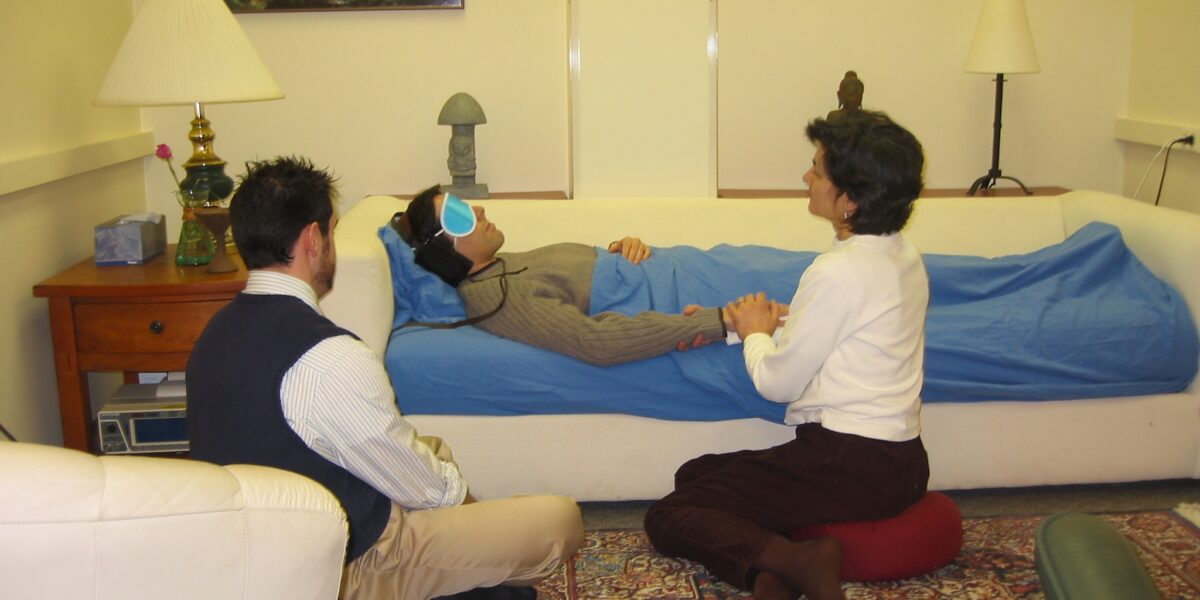
Psychedelic compounds require multiple hours for treatment sessions, requiring multiple supervising healthcare professionals and, therefore, higher costs and resources than traditional therapies that take less time or require take-home medication.
These high costs will make insurance for psychedelic-assisted psychotherapy more expensive in countries where healthcare is private.
Adding to this, many people are not just financially restricted, but they are also time-poor.
This can make attending psychedelic-assisted therapy sessions difficult and further cut out certain demographics from accessing these therapies.
Interestingly, a number of non-hallucinogenic analogues are generally being investigated to fit into “take-home” therapy models.
This would reduce the resources required for typical treatments that involve psychedelic effects, and enable more people to access the benefits without needing long sessions and extended supervision.
Equally, elderly populations, or people with neurodegenerative conditions, spinal injuries or chronic pain, for example, may not want to undergo the psychedelic experience, or may not be able to.
Providing another option that maintains the neuroplastic effects could be revolutionary for such conditions where patients are not suitable for psychedelics, but would greatly benefit from their impact on the brain.
It is undoubtedly an incredibly exciting time for science in the field of neuroplasticity, mental health, and psychedelics.
While the majority of research indicates that psychedelic effects are a core component of improved mental health outcomes, if current research produces robust evidence, I don’t see any reason why both could not be an option.
It is the neuroplastic effect that is key to brain rewiring, an element that extends beyond mental health and into areas such as neurodegeneration and chronic pain.

Looking at very early data, I do also believe that the psychedelic state could potentially offer potential for pain relief separately, and that the emotional element linked to psychedelic experiences may contribute to changing the perception of chronic pain.

However, if there were the option of taking a subperceptual dose so people can continue to work and carry out day-to-day activities, while also being non-addictive, this could be a great innovation for pain management.
All of this research is in its very early stages, and animal models don’t always make it to human trials. However, the data on psychedelics regarding neuroplasticity and inflammation, for example, is promising, and there are areas of healthcare that are in desperate need of innovation.
Whether psychedelics will become part of care beyond mental health is yet to be seen, but they are now offering new research avenues where science has so far been unable to tread.
Stephanie Price | Community Blogger at Chemical Collective
Stephanie is one of our community bloggers here at Chemical Collective. If you’re interested in joining our blogging team and getting paid to write about subjects you’re passionate about, please reach out to Sam via email at samwoolfe@gmail.com
Welcome to Chemical Collective.
Create an account to earn 200 welcome points.
Already have an account? Sign in
Check out our Community Blog and get involved with the conversation. You will be awarded 50 x ChemCoins for each comment up to a limit of 250 total ChemCoins.
Have you purchased any of our products? Reviews and reports are so important to the community. Share your honest opinion, and we’ll reward you with 50 ChemCoins for each review!
Every time you complete an order with us, you’ll be awarded ChemCoins for each Euro spent.
Welcome to Chemical Collective.
Create an account to earn 200 welcome points.
Already have an account? Sign in
Earn commission every time someone makes a purchase through your link.
When you become an affiliate, you will be allocated a unique link to share with your friends, followers, subscribers, or Aunt Susan.
You can choose to payout the commission earned once per month, or save it up to receive on a rainy day! Commission earned is 5% of the total order value per referral.
Contact us to join the Chemical Collective family and become an affiliate.
share your toughts
Join the Conversation.