Welcome to
Chemical Collective

Are you 18 or older?

Please confirm that your are 18 years of age or older.

You are not allowed to access the page.

info-icon €100 for domestic (NL, CZ, DE) €125 for the rest of the EU, excluding stealth shipping

Free shipping over €50 & free tracked shipping over €100

Friendly customer service available 9-5pm Monday to Friday

Free shipping over €50 & free tracked shipping over €100

Friendly customer service available 9-5pm Monday to Friday

Your cart is empty

Organic vs Synthetic Psychedelics: Moving Beyond Black-and-White Thinking

sam-gandy

By Sam Gandy

shutterstock 2587886531
in this article
  • The Blurred Boundaries Between Organic and Synthetic Psychedelics
  • The Mushrooms vs the Molecule
  • An Entourage Effect?
  • Are Natural Substances Safer?
  • A Man-Made Pathway to a Natural State
  • Very Powerful Medicine
  • Ethical and Ecological Benefits of Synthetic Psychedelics
  • More Accurate Dosing with Synthetic Psychedelics
  • Fewer Side Effects with Synthetic Psychedelics?
  • Synthetic Tweaking of Organic Molecules for Safety?
  • Nature is a Laboratory
sam-gandy

By Sam Gandy

Disclaimer: The views and opinions expressed in this article are those of the authors and do not necessarily reflect the official policy or position of Chemical Collective or any associated parties.

People will sometimes consider the value or safety of a particular compound based on how “natural” it is perceived to be. Is this a solid means of assessing the worth of a given compound? Folks in psychedelic and spiritual circles often share a view that organic plant and fungal psychedelics are superior and preferable to synthetic, lab-created compounds, which may be eschewed because of this. 

Some people feel that organic substances are imbued with a spiritual essence, while others feel there may be an entourage effect present in natural substances otherwise lacking from a pure, lab-derived substance. While organic psychedelics may have some advantages over synthetic compounds in some cases, a more than superficial examination of this topic reveals it to be far from black and white.

The Blurred Boundaries Between Organic and Synthetic Psychedelics

The binary definitions of ‘organic’ and ‘synthetic’ can become somewhat blurred at times. Psychedelic fungi have the ability to naturally create novel tryptamines, if given synthetic tryptamines, such as DET. They are capable of modifying them via enzymes, creating novel psychedelics such as 4-HO-DET and 4-PO-DET, blending organic and synthetic. 

One of Albert Hofmann’s lesser-known chemical creations, psilocybin analogue 4-AcO-DMT, also referred to as psilacetin, is a lab-made synthetic compound not found in nature. However, it is thought to break down into naturally occurring psilocin or 4-HO-DMT on ingestion.

The powerful psychedelic compounds N,N-DMT and 5-MeO-DMT were created and discovered in a laboratory before they were later found in nature. Ketamine is another compound once thought to be entirely synthetic, first created in the lab in 1962. It has since been found to be produced naturally by the fungus Pochonia chlamydosporia.

The Mushrooms vs the Molecule

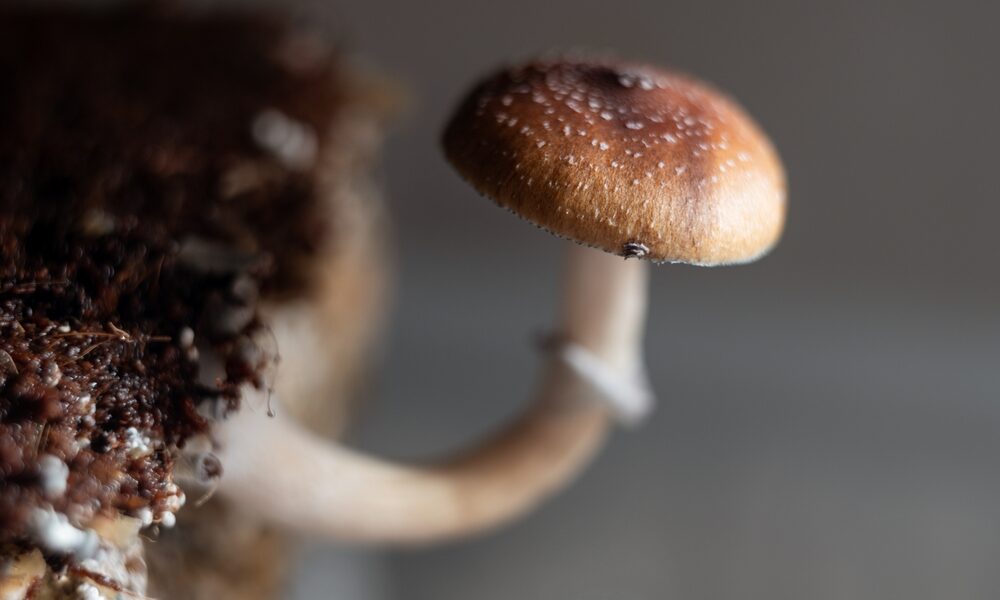
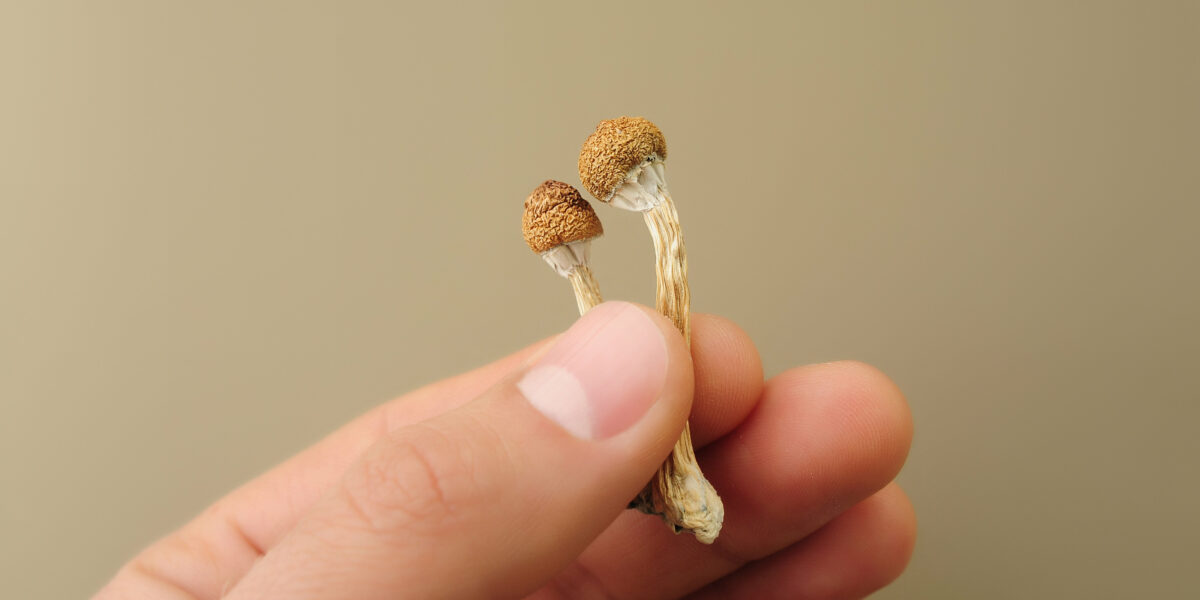
Fungi are adept chemical alchemists. Swiss chemist Albert Hofmann first isolated the psychedelic compound psilocybin from Psilocybe mexicana mushrooms, then went on to create the compound synthetically, unlocking the psychedelic power of the mushroom in pure form. The genetics of the mushroom were originally sourced from Mexico, where such fungi are used ceremonially by Indigenous groups such as the Mazatec. 

In 1962, Hofmann accompanied ethnomycologist R. Gordon Wasson to Mexico, and gifted Mazatec curandera Maria Sabina some synthetic psilocybin pills. Being perhaps a supreme authority on organic psilocybin, using mushrooms in shamanic healing ceremonies for much of her life, Sabina apparently communicated to Hofmann something to the effect that the tablets contained the spirit of the mushrooms, and she thanked him, saying she could now perform veladas when no mushrooms were available.

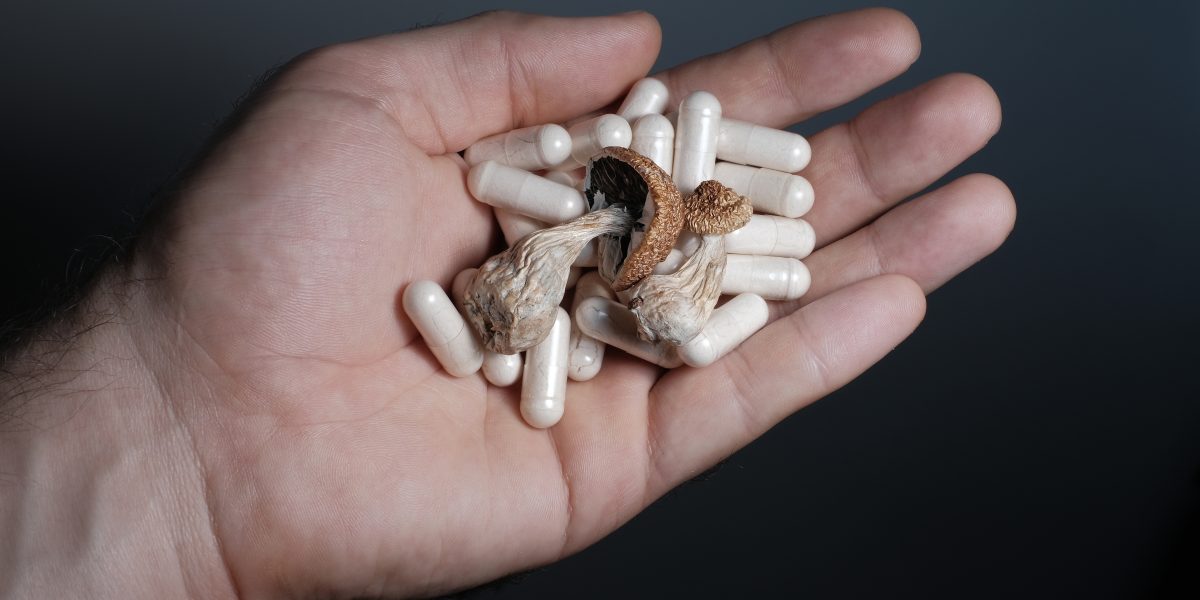
The psilocybin molecule is identical whether it is created inside a mushroom or a lab, so Sabina’s view should perhaps come as little surprise. However, there may be more at play in these fungi than psilocybin alone. There is evidence suggesting that full-spectrum extract of magic mushrooms has a more potent and prolonged effect on a number of proteins linked to neuroplasticity in different brain areas in comparison to pure synthetic psilocybin (at least in mice). Neuroplasticity encompasses the capacity of the brain to respond to experiences, learning and the environment and to reorganise its connections, structure, and function in response to these factors. This is thought to be a central aspect of the utility of psychedelics in therapy.

One small study (of just four participants) reported that organic psilocybin in whole mushroom and mushroom extract form was preferred to synthetic psilocybin, being perceived as resulting in a more sacred, vibrant, and “alive” experience, with a gentler onset and comedown, while synthetic psilocybin was perceived as being “dummed-down” in comparison. However, it should be highlighted that people’s expectations likely contributed to shaping these outcomes.

Aside from the possible contributory chemical effects of other compounds in the fungi, there is also the matter of context, which is important with psychedelics. Receiving a dose of a pure lab-made compound made for profit by someone you don’t know is different from plucking your own mushrooms from the earth or growing your own mushrooms from spores. Context is particularly important when it comes to psychedelics, and harvesting your own fungi from the wild or those you have grown is likely to inspire a more relational connection that would otherwise be lacking with lab-made psilocybin. 

Others may feel a sense of reverence for ingesting a psychedelic such as the mushroom and feeling like one is connecting to an ancient lineage of ceremonial usage stretching far back in time.

An Entourage Effect?

Aside from psilocybin and psilocin, these fungi have been found to harbour a number of secondary compounds such as the tryptamines baeocystin, norbaeocystin, norpsilocin, aeruginascin, terpenes, and trace amounts of beta-carbolines. The jury is still out on whether the presence of these compounds modulates the mushroom experience at the levels they occur in the fungi, or results in an entourage effect (where different compounds work together synergistically to enhance their overall effects, meaning their combined effect is greater than the sum of their individual effects).

The many different terpenes that co-occur in cannabis with the compounds THC and CBD have been proposed to impart an entourage effect. Psychedelic plants such as peyote and San Pedro cacti and iboga contain a variety of other active alkaloids, aside from their principal active compounds, mescaline and ibogaine, respectively, with some researchers speculating that these other alkaloids could impart beneficial effects.

Are Natural Substances Safer?

When it comes to toxicity, the naturalness of a given compound by no means provides an assurance of safety. Nature is highly adept at concocting all manner of highly dangerous toxins. Lead, uranium, arsenic, cyanide, ricin, amatoxin, tetrodotoxin, and botulinum toxin are all naturally occurring substances. Botulinum toxin is such a potent neurotoxin that under a single microgram (0.000001 grams) could kill an adult human if inhaled. 

Naturally occurring psychoactive substances can also be highly toxic. Substances such as deliriant plants of the Solanaceous nightshade family pose great physical and psychological risks to those who ingest them, with there sometimes being little difference between an active and a lethal dose in some cases. These plants harbour the toxic tropane alkaloids atropine, scopolamine, and hyoscyamine, which have deliriant properties. The Indigenous cultures that use these plants tend to do so with great care, restricting their usage to carefully controlled and highly ritualised contexts.

LSD is distinct from psilocybin, mescaline, and DMT in that it is a semi-synthetic compound that isn’t found in nature, but is rather a hybrid of earth and lab. However, the blueprints for its molecular structure were largely laid down by nature. LSD was originally derived from the naturally occurring ergot alkaloid ergotamine by Swiss chemist Albert Hofmann. Ergotamine can be abundant in the ergot sclerotium, and it is a far more toxic compound than LSD. The ergot fungus from which it is sourced is also toxic in its raw form, responsible for mass poisonings and death over past centuries following its unwitting ingestion. 

Ergotamine lacks LSD’s potent psychedelic effects, and its physical side effects can be severe, with risks rapidly ramping up with the dosage. Even recommended clinical dosages can pose a risk to sensitive individuals, and side effects may include vomiting, elevated blood pressure, changes to heart rate, and vasoconstriction, which can potentially be severe. In contrast, LSD – while possessing extraordinary power in imparting effects on the human psyche – is extraordinarily physiologically non-toxic, and physical overdose is unheard of. This is an extremely unusual quality for a substance to possess, setting it apart from virtually all other known compounds.

LSD is very similar to another naturally occurring alkaloid, ergine (also referred to as lysergic acid amide, or LSA), found in psychedelic morning glory plants. It differs in structure only by the replacement of two hydrogen atoms with two carbon atoms, or ethyl groups. Despite the similarity in their chemical structure, LSD and LSA differ wildly in their effects, with LSA having primarily sedative effects at the 2-3mg range, lacking LSD’s potency when it comes to impacting the psyche. It is a more toxic compound, with a much narrower margin of dosage safety than LSD, while possessing much heavier physical side effects. A consummate reminder that chemistry is a very exact science, particularly when the human brain is involved.


A Man-Made Pathway to a Natural State

When Albert Hofmann first experienced his chemical creation LSD, he remarked that the experience of oneness with the world it catalysed was very similar to unitive, mystical experiences he had experienced spontaneously before while walking in nature in his younger days. LSD appeared to provide a conduit to a natural state of oneness.

Very Powerful Medicine

The late Chilean psychiatrist Claudio Naranjo ventured into the Amazon rainforest in the mid-’60s armed with a Polaroid camera and a stash of LSD on blotter paper, on which he had drawn stars, moon, and sun to denote different ascending potencies of the drug. Encountering some Indigenous Amazonians, he transmitted to them that he was a “medicine man” and distributed some of the lower potency star blotters, and invited them to take them while gazing up at the night sky. Upon his return several days later, he learned that his “medicine” had been appreciated and was considered “very powerful”. In exchange, the Amazonians gave Naranjo some ayahuasca, which would influence his subsequent practice of psychotherapy.

Ethical and Ecological Benefits of Synthetic Psychedelics

Sometimes, selecting synthetic compounds might be the more environmentally and ethically conscious choice to make. Wild populations of peyote cactus, iboga, ayahuasca vine, and the Sonoran desert toad may be under increasing threat due to overharvesting to supply a growing human demand on top of other pressures such as habitat loss and climate change. Switching to synthetic versions of the active compounds would be one way of taking the pressure off the wild populations of these species, some of which form an important part of the practices and cultural identity of different Indigenous groups.

The Sonoran desert toad’s defensive secretion is the most potent natural form of the psychedelic compound 5-MeO-DMT known, containing up to 30% of the substance in some cases. The popularity of this substance has surged of late, and there are concerns that this is putting pressure on wild toad populations. Largely due to human influence, amphibians are facing mounting pressure worldwide, with habitat destruction, climate change, and fungal infections already posing a major threat. Harvesting wild toads to supply a growing human demand for this substance may be putting yet more pressure on wild toad populations.

Some ‘Bufo’ aficionados feel there is a toad spirit that may be lacking from the lab-made compound, or a beneficial entourage effect that plays an important role in the former’s effects. However, the only other alkaloid found to occur in toad secretion – bufotenine – tends to occur at such low levels that its influence on the experience is likely to be negligible at most. People with experience of both tend to take the view that both are fully capable of “getting you there”. While there are botanical alternatives to peyote and iboga that harbour similar alkaloids, viable botanical 5-MeO-DMT sources are lacking, making synthetic 5-MeO-DMT a more reliable and scalable choice. In light of the lack of evidence supporting the importance of an entourage effect in this case, and the potential detrimental impacts on toads if choosing organic 5-MeO-DMT, selecting the synthetic substance is likely the ethically and ecologically superior choice to make.

More Accurate Dosing with Synthetic Psychedelics

Another advantage of using pure, synthetic 5-MeO-DMT is that it provides more accurate and reliable dosing, with levels of the compound in the defensive secretion of the Sonoran desert toad having been found to vary widely. This wide variability in levels of the active compound also applies to other psychedelics in their natural forms, including psilocybin mushrooms.

Fewer Side Effects with Synthetic Psychedelics?

Some people prefer synthetic psychedelics due to finding them less physically taxing or nauseating, while they may be more prone to experiencing body load issues when ingesting organic psychedelics. Body load may be experienced as a range of unpleasant physical sensations such as stomach ache, nausea, bloating, dizziness, feelings of being over-stimulated, temperature changes, or feelings of tension or of being weighed down. 

However, some of these effects may be offset by the manner in which the psychedelic is prepared for ingestion (such as brewing tea in the case of mushrooms). It should also be noted that some people still experience nausea when ingesting psilocybin, mescaline, and ibogaine in pure synthetic form, and people also report side effects when ingesting synthetic psychedelics, particularly during the experience’s onset.

Synthetic Tweaking of Organic Molecules for Safety?

Science has the potential to tweak naturally occurring compounds and, in doing so, render them safer and more user-friendly. Ibogaine, the principal active compound found in iboga, holds great potential as an addiction interrupter and psychotherapeutic agent. However, unlike the classical psychedelic compounds, its usage poses more risk to the user, with side effects including severe nausea and vertigo, and it affects the heart, prolonging the QT interval, or the electrical pulse that spreads over the heart muscle. This may pose a risk to people with pre-existing heart issues. Human intervention and tweaking of naturally occurring molecules have the potential to render them safer and more user-friendly.

A synthetic analogue of ibogaine, 18-methoxycoronaridine (18-MC), has been synthesised. Although research on the compound is in its preliminary stages, 18-MC appears safe in humans and is better tolerated by the body, producing neither the body tremors nor the heart rate changes associated with ibogaine. Despite these differences, 18-MC still seems to impart an anti-addictive effect. However, while 18-MC may prove an effective tool in fighting addiction, there may be a trade-off, as it does not produce the visionary effects that ibogaine does. These visions take centre stage importance when used by the Bwiti in its natural range in central Africa, and they may also contribute to the ibogaine’s psychotherapeutic effect, with the visions allowing the experiencer to potentially examine the root of their addiction or affliction.

Other psychedelic molecules have also been tweaked to make them safer for certain populations. Psychedelics are contraindicated for those suffering from schizophrenia, or people at risk of developing it, and those with a family or genetic predisposition are screened out of trials using psychedelics. While psychedelics pose a risk of unleashing a psychosis or exacerbating it in at-risk individuals, one of their beneficial properties is their capacity to create more connections between neurons, which could be helpful to those suffering from schizophrenia. A tweaked analogue of LSD, dubbed JRT, has much diminished potential for psychedelic effects while retaining LSD’s neurotrophic potential, which may make it a safe and effective medication for a treatment population to whom psychedelics aren’t otherwise accessible. Tweaked psychedelic molecules like this may make such compounds more broadly accessible to wider treatment populations, with the use of unaltered psychedelics restricted to certain contexts.

Nature is a Laboratory

Rather than positioning organic vs synthetic as better or worse, in black and white terms, it can be considered that, in reality, things are more complex. A more integrative perspective where they are viewed as complementary tools – having their own particular benefits and potential drawbacks in different contexts, and for different reasons – may be beneficial. 

We humans appear to be becoming ever more disconnected and alienated from nature, with a growing rift in awareness of our being part of it. However, our species is inescapably a part of nature, no matter how much amnesia we may have of this salient fact. And this means that our ability to synthesise new chemical compounds in a lab is ultimately still nature at work. However, some may prefer to grow or pick their own organic psychedelics, and it is likely that this very act can help forge a deeper connection to nature that will likely be absent when ingesting a synthetic compound.
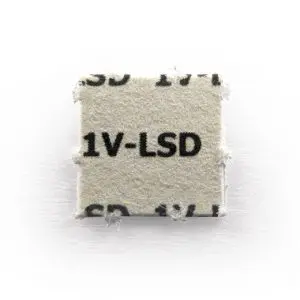
The very fact that LSD is a hybrid creation of both nature and science is likely what made it more accessible to our nature-alienated species in the first place. The potential of LSD in reconciling our rift with nature suggests that just because a compound is created in a lab, it doesn’t mean it can’t facilitate a reconnection with nature, enhancing biophilia and deepening our appreciation for that which we deem “natural”. Albert Hofmann came to view the capacity of LSD and other psychedelics to reconnect our increasingly nature-alienated species to the natural world as perhaps their most fundamental property. He recalled that among his most satisfying experiences were hearing people say things like “I grew up in the city, but once I first took LSD, I returned to the forest”.
Sam Gandy | Community Blogger at Chemical Collective

Sam is one of our community bloggers here at Chemical Collective. If you’re interested in joining our blogging team and getting paid to write about subjects you’re passionate about, please reach out to Sam via email at samwoolfe@gmail.com

share your toughts

Join the Conversation.

0 Comments
Inline Feedbacks
View all comments

Related articles

Our Products

Related Products

1V-LSD 150mcg Blotters
1V-LSD 150mcg Blotters From 22.00
(145)
1cP-LSD 100mcg Blotters
1cP-LSD 100mcg Blotters From 18.00
(137)
Tryptamine Mix and Match Pack (4 x 0.1g)
Tryptamine Mix and Match Pack (4 x 0.1g) 65.00
(1)
1V-LSD 10mcg Micro Pellets
1V-LSD 10mcg Micro Pellets From 15.00
(44)
1V-LSD 225mcg Art Design Blotters
1V-LSD 225mcg Art Design Blotters From 35.00
(62)
1S-LSD 150mcg Blotters
1S-LSD 150mcg Blotters From 29.00
(18)
1cP-LSD 150mcg Art Design Blotters
1cP-LSD 150mcg Art Design Blotters From 25.00
(74)
1V-LSD 225mcg Pellets
1V-LSD 225mcg Pellets From 35.00
(26)
1cP-LSD 10mcg Micro Pellets
1cP-LSD 10mcg Micro Pellets From 15.00
(23)
1D-LSD 225mcg Pellets (1T-LSD)
1D-LSD 225mcg Pellets (1T-LSD) From 42.00
(13)
5-MeO-DMT Freebase
5-MeO-DMT Freebase From 23.95
(36)
1S-LSD 10mcg Micro Pellets
1S-LSD 10mcg Micro Pellets 20.00
(3)
O-PCE HCL
O-PCE HCL From 17.50
(25)
1cP-LSD 20mcg Micro Blotters
1cP-LSD 20mcg Micro Blotters From 18.00
(28)
1cP-LSD 150mcg Pellets
1cP-LSD 150mcg Pellets From 25.00
(13)
rewards-icon
popup-logo

Reward program

popup-close
  • Earn
  • Affiliates