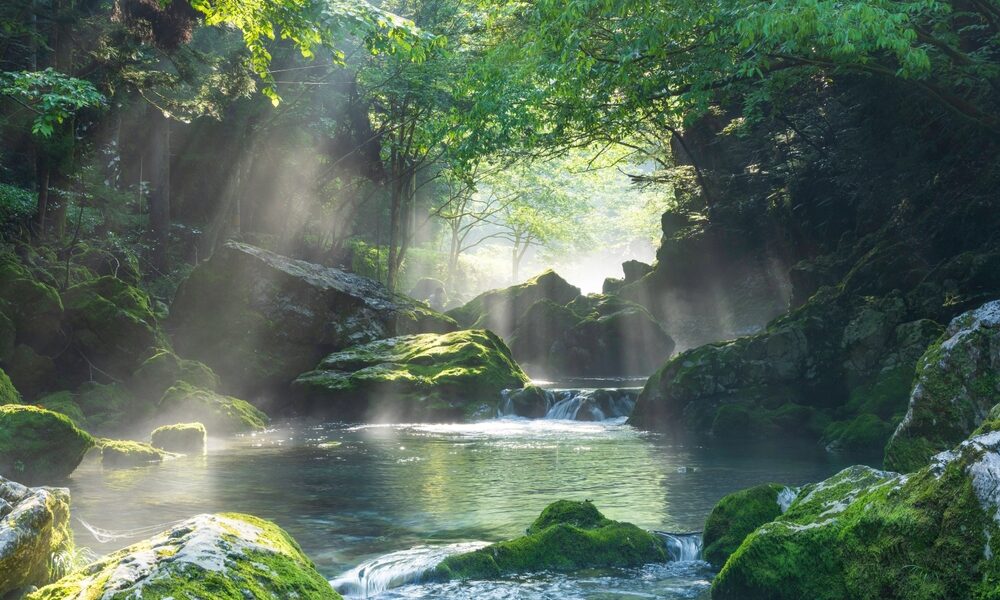
Our species has spent 99.99% of its existence residing within natural settings, and we are wired to respond favourably to them. Such settings are psychologically and physiologically soothing and restorative. Various sensorial elements of such settings work in synergy. The abundant fractal forms to be found in nature, such as unfurling ferns and tree branches, are one visual aspect of natural settings that has a soothing effect.
Fractals are repeating geometric patterns that occur at varying scales, and our brains appear inherently attuned to them, with this capacity sometimes conceptualised as ‘fractal fluency’. While visual perceptions of fractal patterns are a classic feature of the effect of psychedelics, perceiving them externally in the natural world tends to be aesthetically pleasant and has a soothing effect, reducing stress and promoting inner well-being. Observing fractals in nature is associated with evoking alpha brainwave activity, which is associated with a state of relaxed alertness.
Other elements of natural settings include phytoncides (organic compounds released by trees), exposure to sunlight and outdoor microflora, and the sounds of nature, such as birdsong, all of which have a soothing or restorative effect. Spending time in areas that harbour greater biodiversity and ecological complexity with a more diverse range of natural features (such as trees, birds, plants, and waterways) has also been linked to greater mental health benefits when compared to areas harbouring less natural diversity.
Natural settings have been associated with eliciting states of ‘soft fascination’ through the sensory elements of such settings, allowing the brain’s executive systems to rest and replenish, in contrast to the directed attention requirements of everyday life (particularly in urban and digital environments). Contact with natural settings can also reduce markers of stress (such as cortisol levels and blood pressure) and is associated with a reduced cognitive load, with the brain not needing to work as hard as it does in urban settings. Contact with natural settings is also associated with reduced rumination and activity in the default mode network, in addition to increased positive affect and reduced negative affect.
The healing and restorative powers of nature are well evidenced and have long been recognised. Contact with nature can be potent in this regard, with even 5-10 minutes spent in a natural setting improving psychological well-being and lowering anxiety and stress levels. Given the capacity of nature contact to soothe stress, reduce anxiety and rumination, improve mood, and evoke greater mindful present-moment awareness, natural settings may help positively shape one’s mental set going into a psychedelic experience, with anxiety and mental preoccupation both predicting adverse or challenging reactions to psychedelics. Natural settings can also elicit experiences of connectedness and awe.
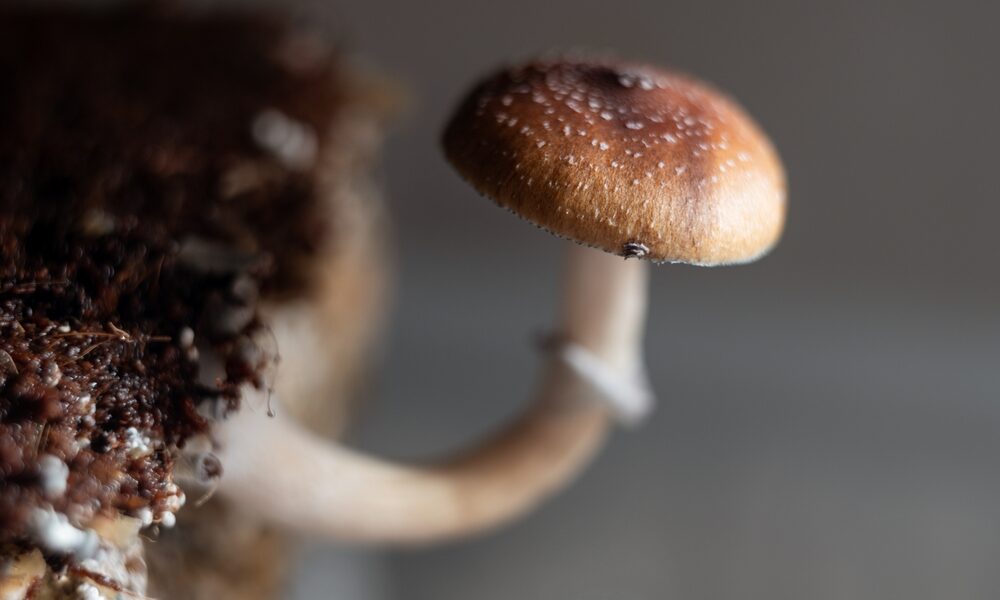
Mycologist Paul Stamets favours a natural setting for his psilocybin mushroom experiences, valuing “seeing the ocean, hearing the wind and the birds, and to have that expansiveness feeling.” While he sees the value of a controlled therapeutic setting, he suggests that it could function as a stepping stone setting for those who have trepidation about whether they can weather the psychedelic experience, as he feels that having the experience in nature may be “much more beneficial”.















































share your toughts
Join the Conversation.